
Policy and Parliamentary Affairs
Creating change for people who have Down’s syndrome and their families
The Down’s Syndrome Association works with people who have Down’s syndrome, families, professionals, parliamentarians, government departments and public bodies to improve policy, law and public services.
People who have Down’s syndrome and their families are experts in their own lives.
Their experiences inform our consultation responses, reports, parliamentary engagement and policy recommendations.
Our policy and parliamentary work is also informed by evidence, research and engagement with our community. We use this evidence to influence decision-makers and advocate for meaningful change throughout a person’s life.
We influence policy through:
- responding to Government consultations and calls for evidence
- providing written and oral evidence to MPs, Peers and parliamentary committees
- meeting ministers and government officials
- participating in advisory groups, roundtables and stakeholder forums
- gathering evidence through surveys, focus groups and engagement events
- working with partner organisations and coalitions.
DSA Policy Priorities

Education
- Deliver properly resourced inclusive education while retaining person-centred choice across mainstream, specialist and blended provision.
- Strengthen expertise, workforce training, early support and enforceable rights to suitable provision.
- Reform post-16 and further education so that all young people can access high-quality preparation for adulthood, employment and independent living opportunities, without needing to attend specialist residential provision to benefit from them.

Health
- Tackle health inequalities through proactive healthcare, annual health checks, early intervention and action against diagnostic overshadowing.
- Make reasonable adjustments, accessible communication and non-digital options routine across all healthcare services.
- Improve workforce knowledge and confidence so healthcare professionals understand how to support people who have Down’s syndrome, including through accessible communication.
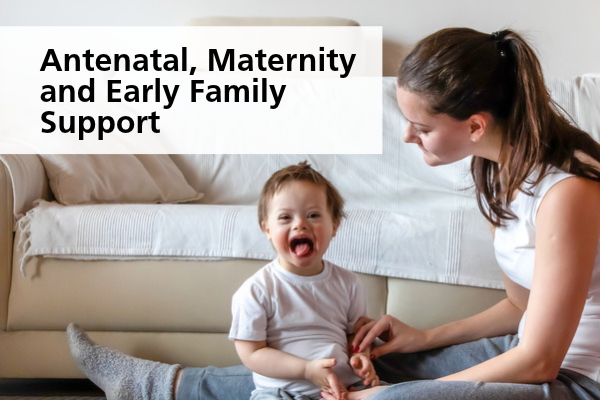
Antenatal, Maternity and Early Family Support
- Ensure screening and diagnosis are supported by balanced, accurate information and informed, non-directive decision-making.
- Train maternity professionals to communicate sensitively, knowledgeably and without outdated or deficit-based assumptions.
- Establish consistent care pathways, specialist support and peer support for families continuing a pregnancy.
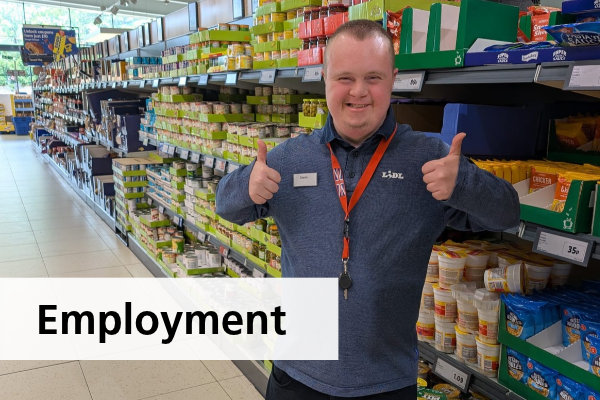
Employment
- Embed a presumption that paid employment is achievable for people who have Down’s syndrome, where this reflects their aspirations, and build this throughout education, careers advice and transition planning from the earliest years.
- Expand high-quality supported employment, work experience and flexible routes into sustainable work.
- Improve employer confidence and make Access to Work timely, accessible and responsive to individual needs.
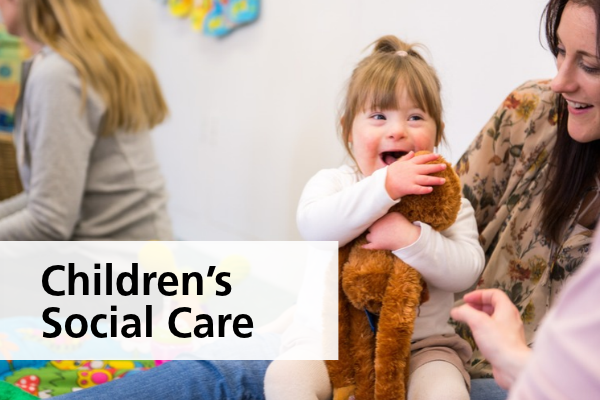
Children’s Social Care
- Establish clear, consistent and enforceable entitlements to support, information, advocacy and effective challenge.
- Provide timely preventative support, short breaks and practical help before families reach crisis.
- Improve joined-up transition planning and recognise and support the contribution of unpaid carers.
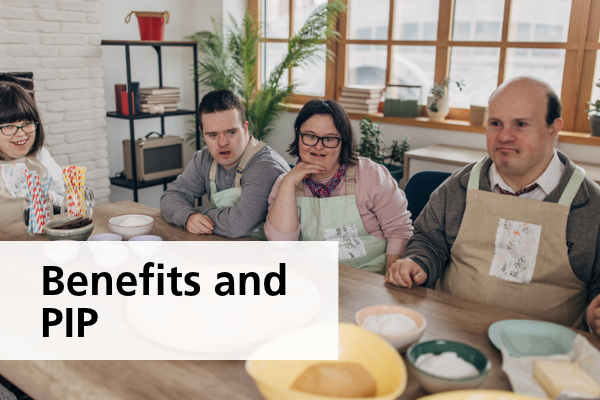
Benefits and PIP
- Protect disability-related financial support that reflects the additional and lifelong costs associated with having a learning disability.
- Make assessments fair and accessible, use inclusive communications, existing evidence and avoid repeatedly reassessing lifelong needs.
- Ensure welfare reform supports independence, participation and employment and is shaped by robust impact assessment and lived experience, including people who have learning disabilities.
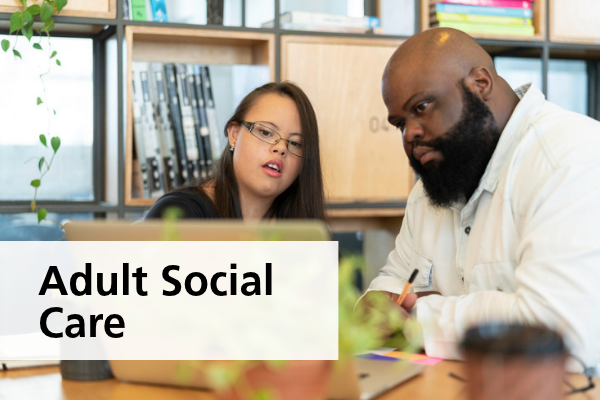
Adult Social Care
- Deliver person-centred social care that promotes dignity, choice, control, independence, relationships and inclusion in community life.
- Recognise Down’s syndrome as a lifelong condition and ensure people can access appropriate support throughout adulthood, rather than only when needs reach crisis point or in later life.
- Support family carers through sustainable funding, respite, future planning and appropriate services, recognising that many continue caring well into older age.
Latest Policy News

DSA Response to the Milburn Review
DSA Response to the Publication of the independent report, From a Welfare State to a Working State: a new settlement for the next generation by Alan Milburn, MP We know that recent headlines about possible changes to Personal Independent Payments (PIP) for...

Addressing Health Inequalities Effecting People who have Down Syndrome
Addressing the known health inequalities that affect people who have Down syndrome has long been a focus of our work at the DSA. The following provide a flavour of some recent activities in this important arena. We have been working closely with the Down...

Unlocking Child Trust Funds: a Welcome Commitment for SEND Families
We welcome Andy Burnham’s commitment to help families of young people with special educational needs and disabilities access their Child Trust Funds. Why change is needed This issue has been overlooked for too long. Young people who lack the capacity to manage their...
DSA Reports
Tools for Participation
How to Respond to Consultations with Confidence: The SEND Consultation
This recorded webinar was designed to support parents and carers of children and young people who have Down’s syndrome to take part in the SEND consultation (2026) with confidence and clarity.

Who we Work With
We work with a wide range of charities, professional bodies, coalitions and lived experience organisations to influence policy and improve outcomes for people who have Down’s syndrome and their families.
We work both independently and alongside partner organisations to ensure the experiences of people who have Down’s syndrome influence national policy discussions. By working together, we can amplify evidence, share expertise and strengthen calls for change.
- Special Educational Consortium (SEC), a national coalition working to protect the rights of children and young people with SEND and influence education policy.
- Disabled Children’s Partnership (DCP), bringing together organisations campaigning for better support and services for disabled children and their families.
- Learning Disability England, working together on issues including inclusion, social care, health, employment and rights.
- Genetic Alliance UK, collaborating on issues affecting people with genetic conditions and their families.
- SEND in the Specialists Coalition, advocating for access to specialist expertise and support within education and SEND services.
- Inclusive Parliament Coalition, working to make Parliament more accessible and inclusive for disabled people.
- Health Policy Influencing Group (HPIG) and other health-focused networks, helping improve health policy and tackle inequalities experienced by people who have Down’s syndrome.
- Partners across Wales, Northern Ireland and internationally, including Down Syndrome International (DSi), supporting collaboration and shared learning.
Through this engagement, we ensure that the voices and experiences of people who have Down’s syndrome and their families contribute to national discussions about education, health, employment, social care and wider public policy.