Training & Support
We offer a wide range of co-produced training and support for individuals at every stage of their lives and in a variety of formats for people who have Down’s syndrome, parent carers and professionals.
Subjects covered include education and development, speech, language and communication, understanding behaviour, adolescence and puberty, complex needs and autism, employment, support for adults and ageing and dementia.
You can register for our live online training and regular parent/carer support meetings through the links below.
All of our online training and parent carer support meetings are free.
Contact training@downs-syndrome.org.uk to find out more about our training services.
Online training and support sessions:
- Tell It Right® webinars and study days for maternity services (free)
- Pregnancy and Baby Support meetings for parents only (free)
- Introduction to Makaton online for new parents (free)
- Supporting Early Development from birth to 4 years webinar
- Early Years and Primary Education webinar
- Using the Model of Positive Behavioural Support for Change for Children age 5 to 17 years webinar
- Sharing Positive Support online session for parent carers only (free)
- Puberty & Adolescence webinar
- Secondary Education webinar
- Complex needs and autism webinars
- Complex needs and autism meetings for parent carers and family members only (free)
- Well-being Wednesday for parent carers only (free)
- Preparing for the Future webinars
- Housing Options Masterclass webinar
- Personal Budgets and Self Directed Support webinar
- Your Rights webinar – Highlights from the Care Act 2014 webinar
- Ageing and dementia online training
- Challenging Health Inequalities
- WorkFit employment webinars (free)
- Relationships and Sex Education webinars
- Supporting Adults online training
- Research updates with guest presenters (free)
- DSA Going Forward updates (free)
people attend DSA training or support sessions every year
Current live training and support sessions
Well-being Wednesday
Wednesday 18 November 2026 | Time: 10.30-11am | FREE
Each week Jane will introduce and guide a meditation/relaxation exercise or some gentle movement which you can do in the comfort of your own home.

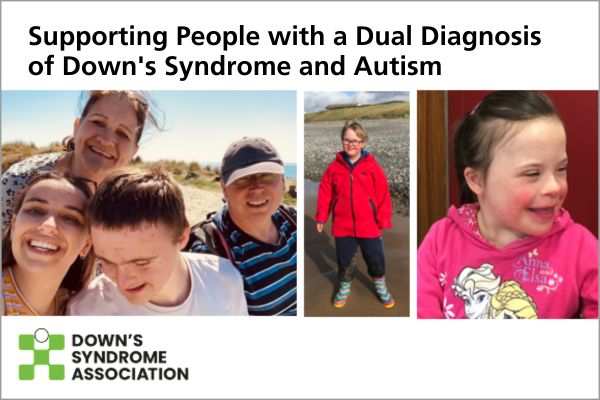
Supporting people with a dual diagnosis of Down’s syndrome and autism
Thursday 19 November 2026 | 10.30am – 12 noon | FREE
The second webinar is aimed at those who are awaiting or have received a diagnosis of autism.
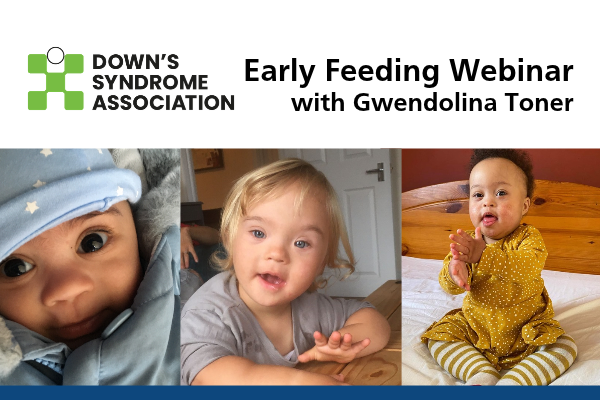
Early feeding webinar with Gwendolina Toner
Tuesday 24 November 2026 | 1 – 1.30pm | FREE
In this short webinar we will discuss the development of early eating and drinking skills.
This webinar is suitable for parents whose baby is aged approximately 0-2 years.
Regression in Adolescents and Young Adults who have Down’s Syndrome
Thursday 26 November 2026 | 10.45am – 12 noon | FREE
Regression in Down’s syndrome has been recognised for many years, and we are still learning about why this happens to some people. In this webinar we will talk about what we know so far.
Early Reading Strategies to support Speech & Language Development
Thursday 1.30 – 2.30pm
3 December 2026 | 10 December 2026 | 17 December 2026
A free online support group for parents/professionals on Early Reading Strategies to support Speech and Language Development.
This group is for parents of children aged approximately three to four and half years.
Understanding Behaviour Part Two: Managing Change
Thursday 3 December 2026 | 10.30am to 12 noon | FREE
In this webinar we will look at what we mean by problem behaviour, why understanding function is so important and exploring proactive strategies to support communication and learning.
Celebrating Disability History Month
Friday 4 December 2026 | 2-3pm | FREE
Join us for a free online event, hosted by Joe and Catherine from our Information Team, celebrating Disability History Month.
This fun and accessible session will talk about what Disability History Month means.
Learn About Exciting Developments in Capillary Blood Sampling
Monday 7 December 2026 | 12 noon – 12.45pm | FREE
In this webinar Dr Karen Perkins (Principal Clinical Scientist at University Hospitals of Morecambe Bay NHS Foundation Trust) will talk about her pioneering work around capillary blood sampling.
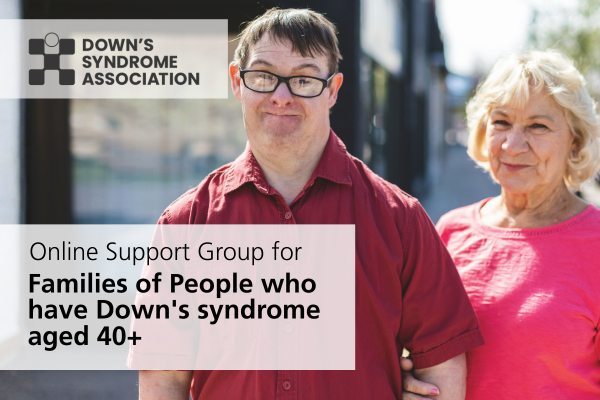
Online Support Group for Families of People who have Down’s syndrome Aged 40+
Tuesday 8 December 2026 | 10.30 – 11.45am | FREE
This support group is for parents and siblings who support a person age 40 and over. The group will involve facilitated discussions on relevant issues with occasional guest speakers.
Regression support group
Thursday 10 December 2026 | 10.30 – 11.45am | FREE
This is an online support group for parents of those who have experienced a rapid regression in the last few years.

Parent Support Meeting – Down’s syndrome with Complex Needs
Online event
Tuesday 15 December 2026 | 10.30am – 12 noon | FREE
Are you a parent/family carer of someone who has Down’s syndrome and complex needs age 4 years and over?
By complex needs we usually mean that a person has an additional diagnosis such as, but not exclusively autism, ADHD and/or complex multiple health needs.
Our regular meetings enable parents and family carers to share information and experiences and to guide DSA work.

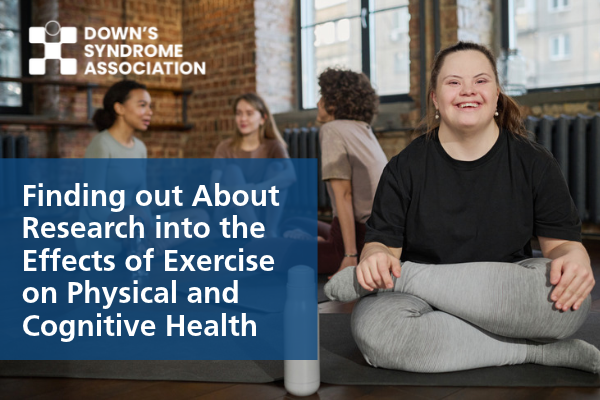
Finding out About Research into the Effects of Exercise on Physical and Cognitive Health
Wednesday 13 January 2027 | 12 noon to 1.15pm | FREE
It Started with a Question: The Exercise Revolution for the Down Syndrome Community
In this webinar Professor Dan Gordon and Ruby Cain of Anglia Ruskin University will be talking about their current and past research.
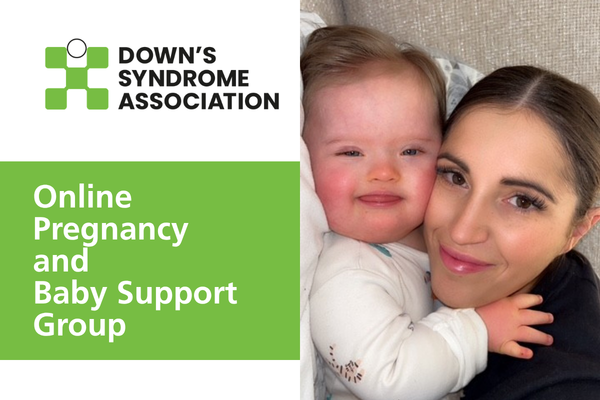
DSA Pregnancy and Baby Support Group
Tuesdays at 1.30pm | FREE
19 January | 2 February | 16 February | 2 March | 16 March
This series of five, free online meetings offer support for parents of babies up to 18 months of age and expectant parents looking forward to welcoming their new baby.
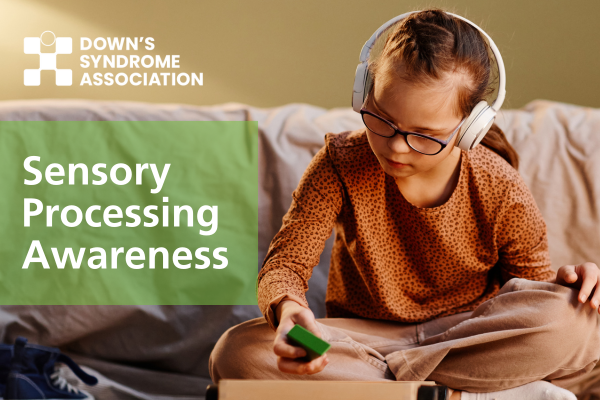
Sensory Processing Awareness
Tuesday 26 January 2026 | 1-2pm | FREE
This 60-minute online webinar for parents and practitioners will provide information on sensory processing in children who have Down’s syndrome.
TELL IT RIGHT® WEBINAR FOR MATERNITY SERVICES AND UNIVERSITIES | ON-DEMAND WEBINAR
Free
This Webinar is for all student and health professionals working in fetal medicine, maternity and neonatal services including midwives, neonatal nurses, sonographers and health visitors.
Help us continue to offer FREE training and support to everyone who needs it.
Other DSA training and support sessions
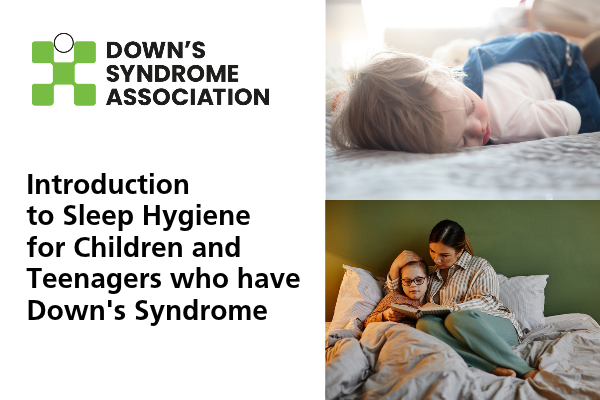
Introduction to sleep hygiene for children and teenagers who have Down’s syndrome
In this webinar we will look at the importance of sleep and what we mean by a good nights sleep. We will look at the more common sleep problems and when to seek help. We will also explore how to create good sleep habits and what to avoid.
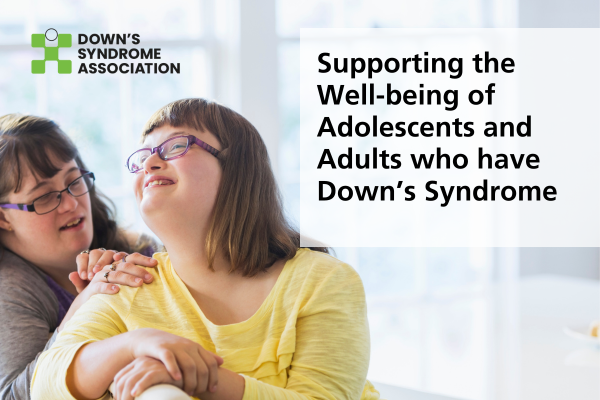
Supporting the well-being of adolescents and adults who have Down’s syndrome
In this webinar we will talk about what we mean by well-being and what is usual.
We also talk about the importance of self esteem and other factors that effect well-being.
An introduction to the dual diagnosis of Down’s syndrome and autism
This is the first of two webinars on dual diagnosis.
The first webinar is aimed at those who are wondering whether to pursue a diagnosis of autism.
Understanding Behaviour Part One: An introduction
In this webinar we will talk about what we mean by behaviour and what might influence it. We will explore some behaviours that are common and why they might be helpful. Topics covered include self-talk, imagination, sameness and repetition and the concept of time.
Universal Credit Migration and Common Issues
A Q and A session with the DSA Benefit Advisor.
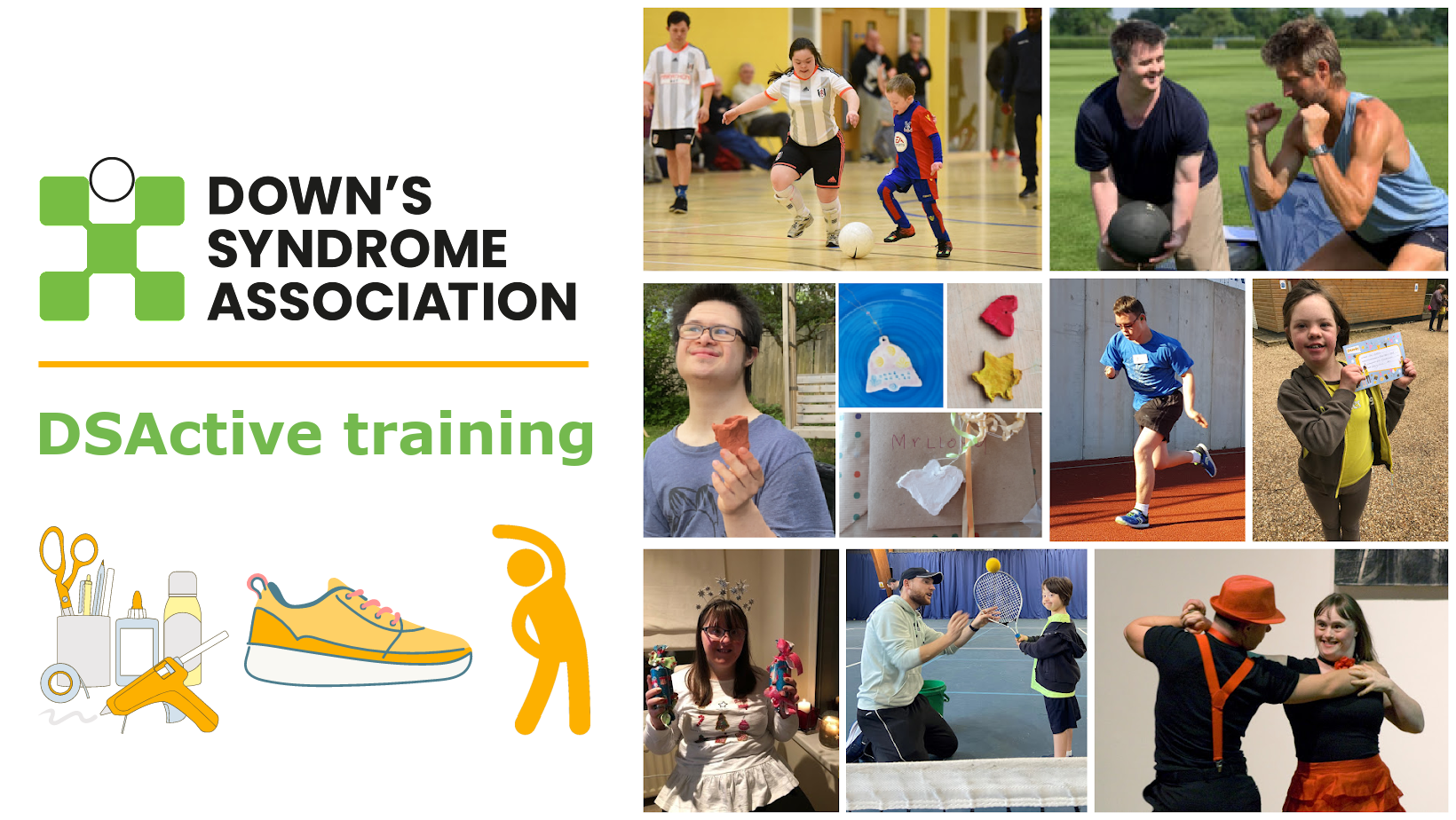
THE DOWN’S SYNDROME ASSOCIATION
DSACTIVE TRAINING
This free, online training session is for providers of leisure, recreational and sports activity sessions.
Early communication webinar with Gwendolina Toner
In this short webinar we will discuss early communication development.
This webinar is suitable for parents whose child is aged approximately 0-3 years.

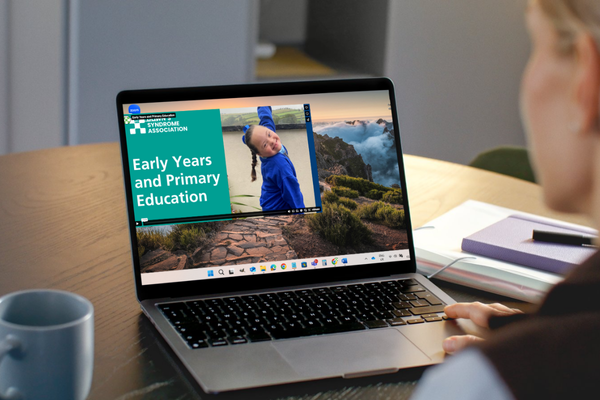
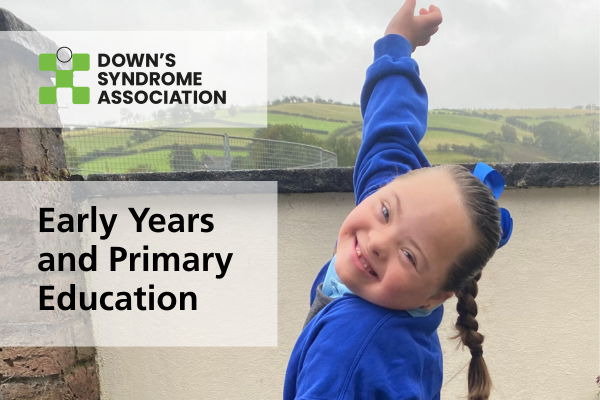
Early Years and Primary Education
This new, co-produced, 90-minute online training session for education practitioners and parents explains how to support learners who have Down’s syndrome from 4 to 11 years of age in education settings.
It will include recommendations for social inclusion and curriculum access, speech, language and communication and social development.
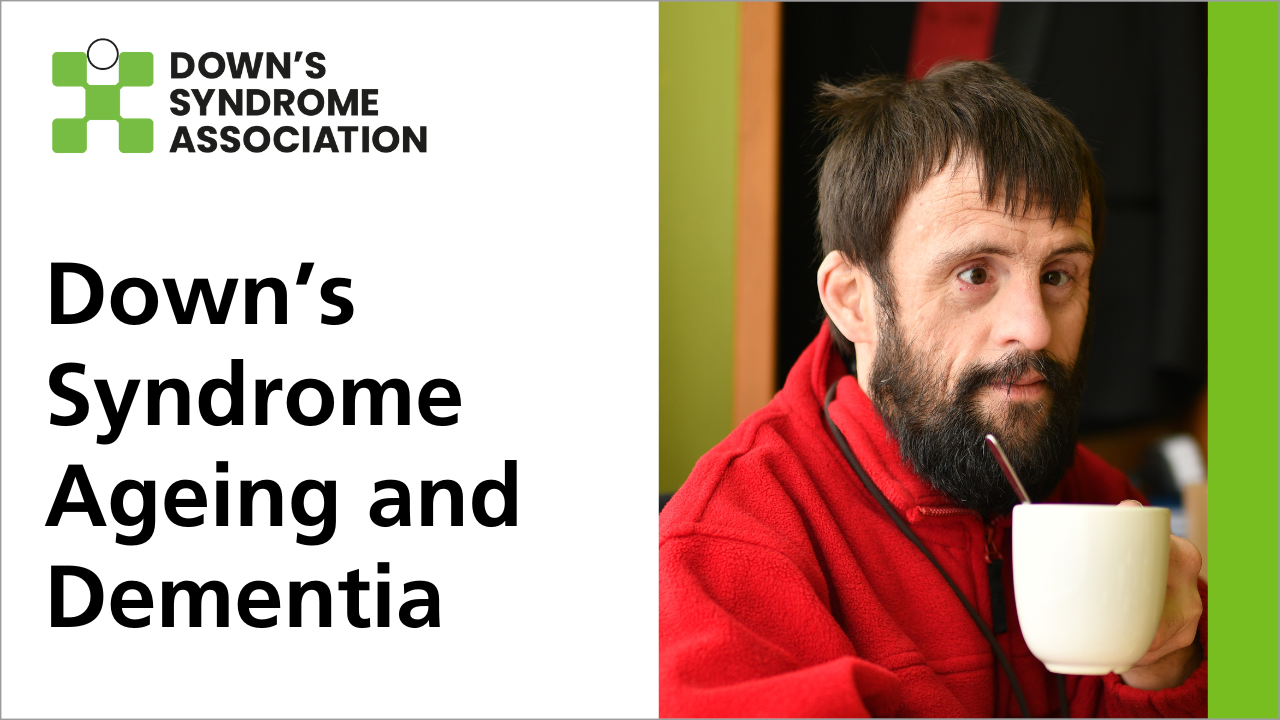
DOWN’S SYNDROME, AGEING AND DEMENTIA
A 90 minute webinar for families and health and social care staff involved in assessing and providing for the care needs of adults with Down’s syndrome who have a diagnosis of dementia or work in services where they may attend.
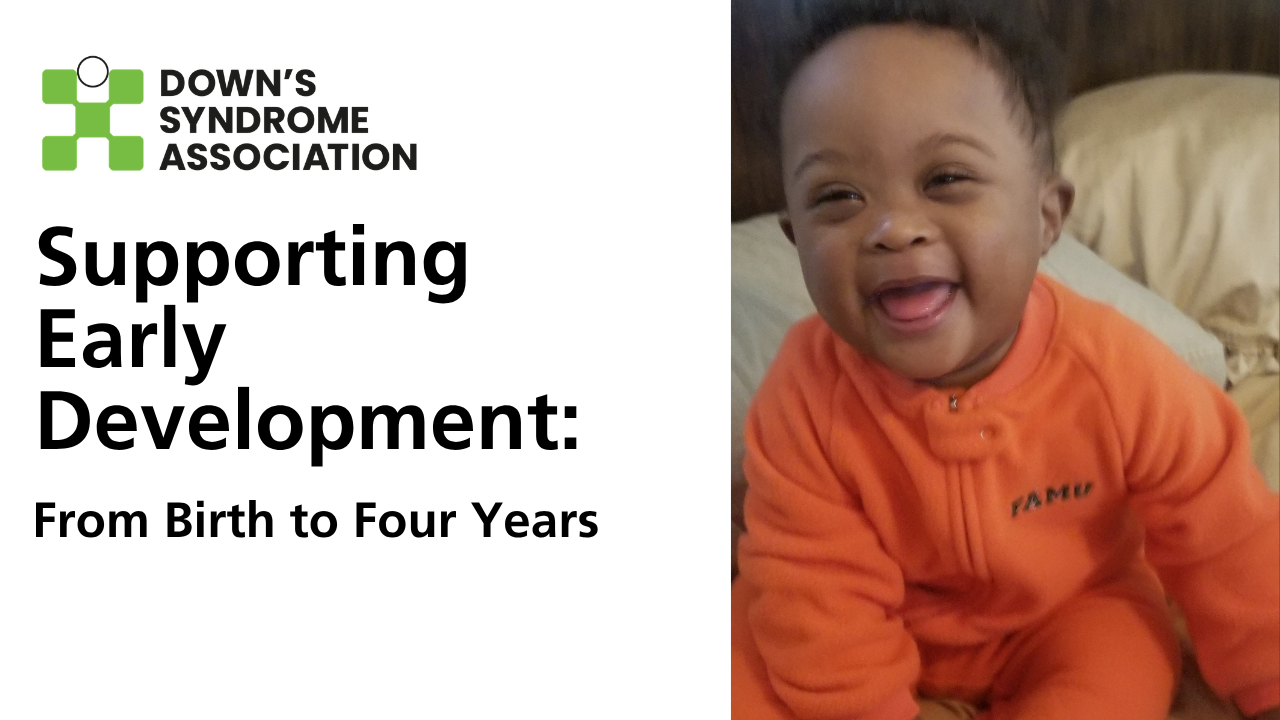
Supporting Early Development: From Birth to 4 years
This new, co-produced, 90-minute online workshop for parents and practitioners provides information about how to promote infant development through interaction, play and early learning activities, including learning strengths, speech, language and communication and education.
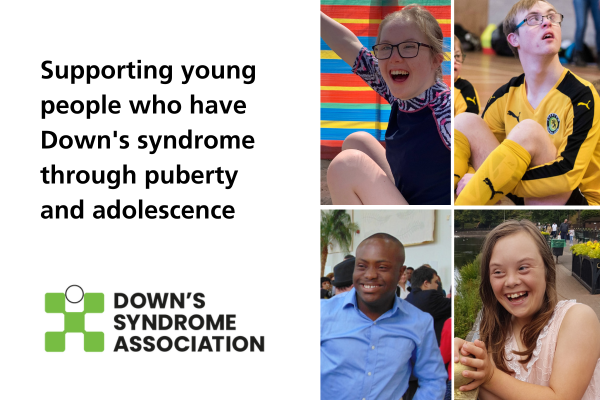
Supporting young people who have
Down’s syndrome through puberty and adolescence
This online training is suitable for parents, carers and practitioners supporting young people who have Down’s syndrome through puberty and adolescence.
Behaviour case study support session
for parents and family carers of children and teenagers
Are you the parent of a school aged child who would like to talk about your child’s behaviour?
Our facilitated behaviour case study sessions are an opportunity to explore behaviour with a group of parents.
Introduction to sleep hygiene for children and teenagers who have Down’s syndrome
Sleep difficulties have a huge impact on health and well-being as well as learning and development. The earlier sleep issues are addressed the better.
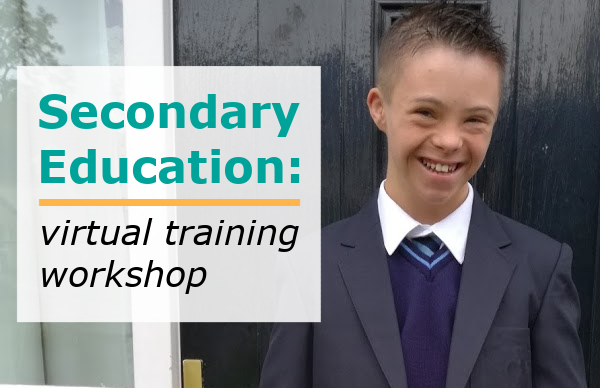
Secondary Education
This new, co-produced, 90-minute online training session for education practitioners and parents explains how to support learners who have Down’s syndrome from 11 to 16 years of age in secondary education settings.
It will include recommendations for social inclusion and curriculum access, speech, language and communication and social development.