
Get Involved
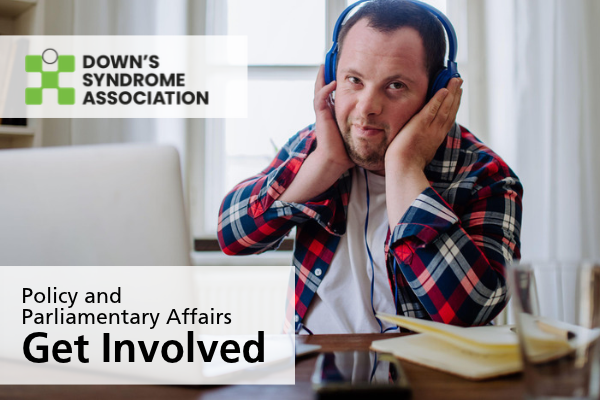
People who have Down’s syndrome, families and professionals are at the heart of our policy work. We believe lived experience is expertise, and that the voices of those directly affected by decisions should help shape the policies, services and laws that affect their lives.
There are lots of ways to get involved.
Join a Focus Group
Throughout the year we run focus groups and engagement events on specific topics, such as education, health, social care, employment, benefits and proposed changes to policy. These help us gather evidence, understand people’s experiences and ensure our policy positions reflect the issues that matter most to our community.
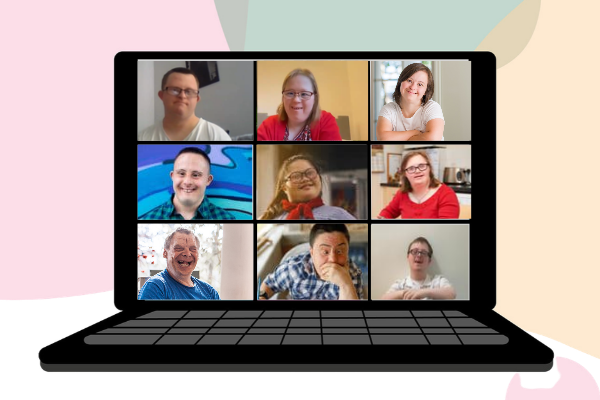
Attend Webinars and Information Sessions
We regularly hold webinars to explain policy developments, Government consultations and proposed reforms. These sessions provide practical information, answer questions and help people understand how changes may affect them and their families. They are also an opportunity to hear directly from policy experts and sector partners.
Respond to Consultations
Government departments, Parliament and public bodies often ask for views before making changes to policy, legislation or services. We provide information, guidance and resources to help people respond with confidence and make their voices heard. We also publish information about opportunities to take part in consultations and calls for evidence.
Share your Experiences
Your experiences help us identify emerging issues, understand what is working well and highlight where change is needed. Whether you have a positive story to share or have experienced challenges, we welcome hearing from you. The evidence we gather helps inform our responses to consultations, parliamentary inquiries and meetings with decision-makers.

Work with Our Voice
We work closely with Our Voice, our self-advocacy network, to ensure that people who have Down’s syndrome are directly involved in shaping our policy and campaigning work.
Members of Our Voice contribute their experiences, priorities and ideas, helping us ensure that policy is informed by the people most affected by it.
Current Engagement Opportunities
We will update this page with new consultations, calls for evidence, surveys and engagement opportunities as they arise.
If you would like to receive updates about policy consultations and opportunities to get involved, sign up to our newsletter.
Law Commission Review of Disabled People’s Travel
During 2026/2027
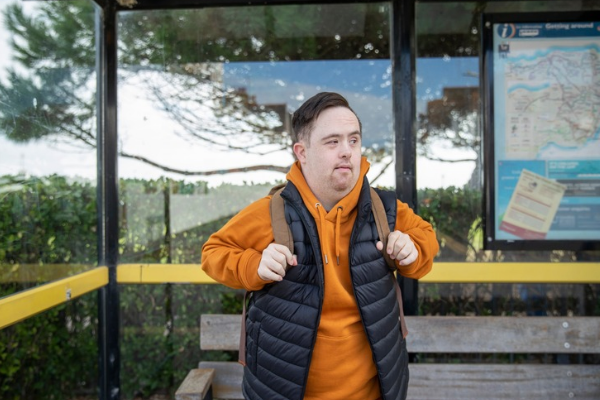
The Law Commission is examining legislation relating to disabled people’s access to transport. This work has the potential to improve accessibility, remove barriers and strengthen legal protections for disabled passengers. We are gathering evidence from people who have Down’s syndrome and their families to ensure their experiences help inform future recommendations.
Read about the focus groups we ran in our latest news section.
Get involved: The Big Conversation on Care
The Casey Commission wants to hear directly from people who draw on adult social care, families, carers and supporters about what good care looks like and what needs to change.
Through the Big Conversation on Care, you can share your own ideas, vote on suggestions made by others, and help shape recommendations for the future of adult social care in England.
If adult social care matters to you or your family, we encourage you to take part and make your voice heard. Click here to find out more.

Join our Events
We don’t currently have any planned events.
Recordings of Past Events
How to Respond to Consultations with Confidence:
the SEND Consultation
SEND Consultation: Twilight Event for Professionals in Education, Health and Care
Understanding the Schools White Paper: What Families Need to Know
Down Syndrome Act Draft Guidance
Consultation Webinar
Get in Touch
If there is an issue you think we should be working on, a consultation we should know about, or an experience you would like to share, we’d love to hear from you. Our policy work is strongest when it is informed by the experiences and expertise of people who have Down’s syndrome, families, carers and professionals.
Together, we can help create policies and services that enable people who have Down’s syndrome to live full, rewarding and inclusive lives.