
Education Provision for Children and Young People who have Down’s Syndrome who have Down's syndrome
Down Syndrome Act 2022 Best Practice and Resources
Last updated: January 2026
In this regularly updated resource, The Down’s Syndrome Association has selected a range of best practice examples and resources related to inclusive and effective education for children and young people who have Down’s syndrome.
It is intended to supplement the Down Syndrome Act statutory guidance annex once it is published by the Department of Health and Social Care (DHSC).
It also provides information about Reasonable Adjustments under the Equality Act.
These best practice examples and resources will be of use to all education leaders, teachers, practitioners and professionals in local authorities (relevant authorities) when supporting people who have Down’s syndrome in relation to their legislative duties as described within the Down Syndrome Act and the Down Syndrome Act Statutory Guidance.
This information will also be useful to individuals who have Down’s syndrome and families/carers. We will keep this webpage regularly updated with the very latest information, case studies and best resources related to supporting the communication and accessibility needs of people who have Down’s syndrome.
If you are aware of other best practice examples, resources or case studies please do let us know about them by emailing policy@downs-syndrome.org.uk.
Effective education provision and SEND local offers for children and young people with Down syndrome
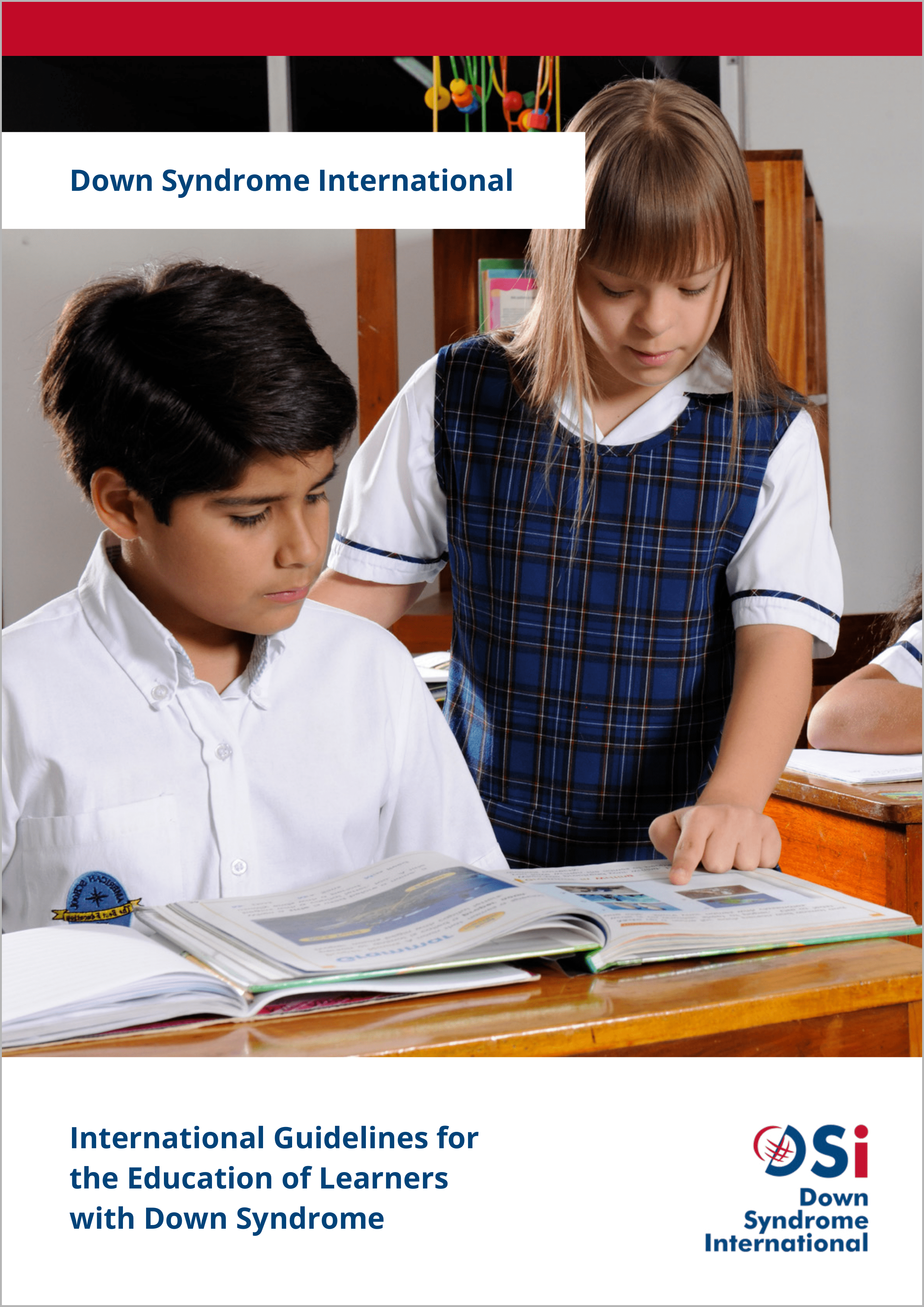
Down Syndrome International has published International guidelines for the education of learners with Down syndrome, which provide guidance on how to put in place inclusive practices within education settings.
The Down’s Syndrome Association provides authoritative and evidence-based information and resources to support children, families, and educators, with a strong focus on inclusive education. The DSA offers practical guidance on:
- early years education
- school rights
- curriculum planning
- behaviour
- friendships
- independence
- complex needs.
Its materials equip families, teachers, and professionals with the knowledge to uphold rights, access support, and promote inclusion from early years through adulthood.
DSA has produced a comprehensive timeline document on Planning for adulthood and transition for people who have Down’s syndrome and their families and carers, which:
- sets out the main transition points across education, health, social care and more
- provides useful resources relating to further education, changes in benefits, mental capacity, employment options and how to move from children’s to adults’ services in health and social care.
Oxfordshire County Council has published a SEND toolkit for children who have Down’s syndrome for schools in their local area. This includes a learning profile of children with Down syndrome to improve awareness and understanding among educators, as well as parents, of the factors that can facilitate or inhibit learning.
Best Practice Case Studies:
Experiences of Children and Young People who have Down’s Syndrome in Education
Down syndrome-specific training for education
The Down’s Syndrome Association offers free training to education professionals working with children in pre-school, early years, primary, and secondary education.
Training includes topics such as dual diagnosis of autism and Down’s syndrome, supporting behaviour change in children, sensory processing awareness, speech, language and communication, and educational transitions.
The Down’s Syndrome Association offers education advice and support via its free helpline, which also provides complimentary online consultations for teachers and staff in early years settings, schools, and colleges.
Telephone 0333 1212 300 (10am-4pm Monday to Friday)
Email info@downs-syndrome.org.uk

Further education and initial teacher training
The Down’s Syndrome Association provides several resources for Trainee and Early Career teachers.
Through the Taking Teaching Further programme, the government is supporting the recruitment of experienced business and industry professionals to retrain as further education teachers across 15 technical subjects or in the core skills that underpin good technical education, including SEND.
The Department for Education (DfE) is offering bursaries to trainees who are training pre-service (that is, before entering paid teaching employment) to teach high-priority subjects in the further education sector in England, including for those specialising in SEND teaching.
The following provider experienced success using the early career framework (ECF) to create its training programmes and courses.
Best Practice Case Studies:
the Early Career Framework (ECF) and adaptive teaching
The Driver Youth Trust has worked with Teach First to embed knowledge and strategies into its ECF programmes, with a view to enabling new teachers to confidently support pupils with SEND to thrive while learning skills and strategies that benefit all learners.
Read more in this Teach First blog post on how the ECF supports pupils with SEND.

Inclusion in mainstream education settings
The DSA has developed education resources designed to help all educators and increase the positive experiences of children and young people with Down syndrome in mainstream education, including factsheets and information on:
- education, health and care (EHC) needs assessments and plans
- speech, language and communication
- supporting pupils with additional and/or complex needs
- transitions from early years to post-16 education, and further education for pupils with Down syndrome
- the current legal framework for young people age 16 and over with additional needs
The Down’s Syndrome Association’s Celebrating Success publications highlight examples of school inclusion for pupils who have Down’s syndrome:

EHC needs assessments and plans
The Down’s Syndrome Association has produced a series of information sheets on education rights, which includes information about both Education, Health and Care Needs Assessments, and Education Health and Care Plans.
Their resources also include recommendations for vision issues in EHCPs.
Relationships, sex and health education
The Department of Education (DfE) has produced a Teaching about relationships, sex and health teacher training module on supporting pupils with SEND.
DSA has published a set of resources to support the delivery of relationships and sex education including Let’s Talk about Relationships and Sex, a comprehensive training package specifically designed for the learning strengths and challenges of people with Down syndrome.
