
Health needs of people who have Down’s syndrome
Down Syndrome Act 2022 Best Practice and Resources
Last updated: January 2026

In this regularly updated resource, the Down’s Syndrome Association has selected a range of best practice examples and resources related to the health needs of people who have Down’s syndrome.
It is intended to supplement the Down Syndrome Act statutory guidance annex once it is published by the Department of Health and Social Care (DHSC).
These best practice examples and resources will be of use to medical professionals (relevant authorities) when supporting people who have Down’s syndrome in relation to their legislative duties as described within the Down Syndrome Act and the Down Syndrome Act Statutory Guidance.
This information will also be useful to individuals who have Down’s syndrome and families/carers. We will keep this webpage regularly updated with the very latest information, case studies and best resources related to supporting the health needs of people who have Down’s syndrome.
If you are aware of other best practice examples, resources or case studies please do let us know about them by emailing policy@downs-syndrome.org.uk.
Health resources to support the implementation of the Down Syndrome Act
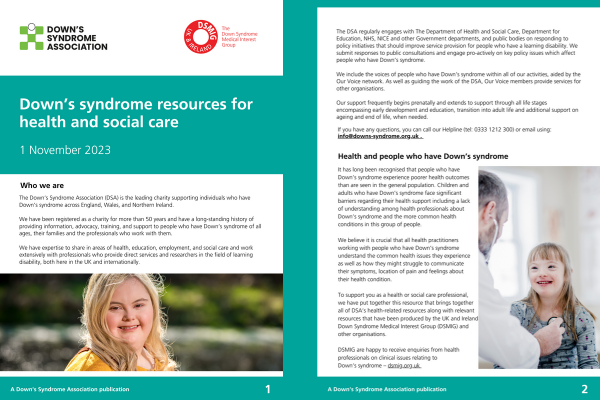
The Down’s Syndrome Association has a Health and Wellbeing information series primarily for health professionals, to help them support the health needs of people who have Down’s syndrome.
These resources cover health conditions more commonly associated with Down’s syndrome, including cardiac issues, thyroid disorders, infections, leukaemia, epilepsy, sensory impairments, and dementia, highlighting the importance of regular health monitoring, in line with guidance from the UK & Ireland Down Syndrome Medical Interest Group (DSMIG).

The Down’s Syndrome Association’s free helpline provides trusted advice and support on health-related concerns across the lifespan. Where specialist medical input is required, the DSA Information Team can introduce medical professionals to medical experts from the UK & Ireland Down Syndrome Medical Interest Group (DSMIG).

A comprehensive list of all available resources for health professionals is also available on the DSA website.
This list was pulled together to support health professionals find information in one place to support their responsibilities under the Down Syndrome Act.
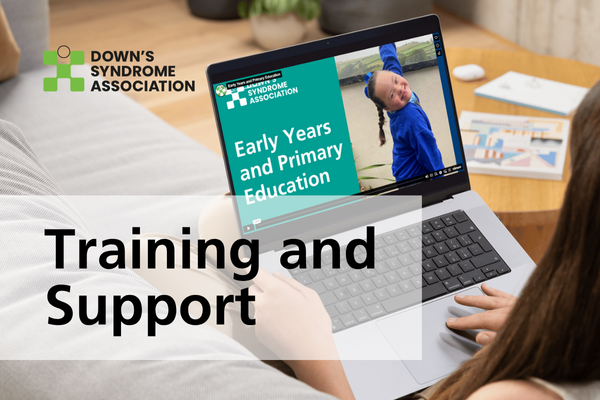
The Down’s Syndrome Association offers specialist training for health professionals.
Training can include information about the Health Profile, Ageing and Dementia, Mental Capacity, training for maternity professionals, Relationships & Sex Education and best practice across the lifespan. DSA training is co-produced with people who have Down’s syndrome.
The Down Syndrome Medical Interest Group (DSMIG) provides a range of online resources for healthcare professionals to support high-quality, evidence-based health care for people with Down syndrome. This includes guidance for essential medical surveillance on the identification of:
- cardiac disease
- thyroid dysfunction
- hearing and vision disorders
- growth monitoring
- cervical spine instability.
DSMIG has also developed Best practice guidelines for the management of hearing issues in people with Down syndrome.
The DSA’s DSActive DSEngage project is a resource for parents, families and carers that aims to improve the physical and mental health of people who have Down syndrome by providing:
- regular online services for people who have Down syndrome
- accessible information on healthy eating and physical activity
- training for leisure, recreational and sports providers.

Case Study: Holistic Care Under a Community Team
Surrey and Borders Partnership NHS Foundation Trust offers various community-based learning disability services, including a full baseline assessment. This is offered to people with Down syndrome when they turn 30 years old and includes neuropsychological and functioning assessments. A report is produced and a number of resources are offered including:
- an early signs of dementia checklist
- basic awareness training
- a personalised brain plan, which includes information on health, exercise and why and how it is important to keep your brain healthy
- advice on sleep.
These assessments cover day services, paid staff and family carers, ensuring there is a timely response to any concerns raised about changes in a person’s functioning.
The pathway extends to post-diagnostic support where the person with Down syndrome is never discharged. The person, their family and all staff are involved in ongoing reviews and receive specialist health support and advice, including end-of-life planning.

Service design, system planning and leadership
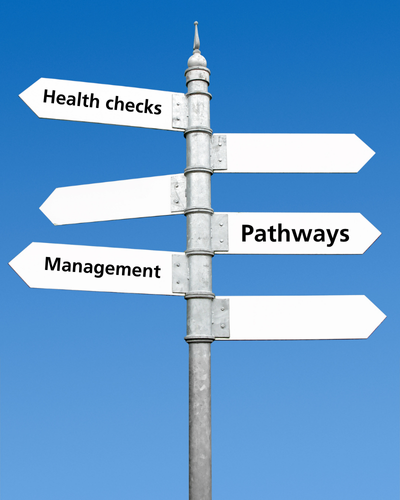
DSMIG provides examples of local service provision and commissioning guidance that includes:
- pathways of health care for people who have Down’s syndrome
- comprehensive schedules of health checks
- guidance on management of aspects of healthcare in Down’s syndrome
The examples published are intended to help other organisations in the development of their own guidelines to support the health needs of people who have Down’s syndrome.
DSA offers tailored training for integrated care boards and the healthcare workforce on, for example, health and health equality, ageing and dementia.
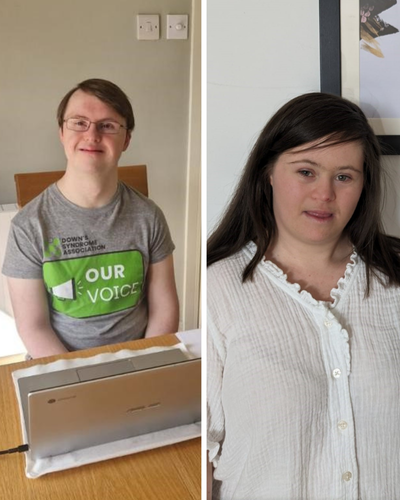
Co-production with people who have Down’s syndrome, their families and carers
NHS England provides information about co-production and how to do it.
TLAP also provides resources on co-production.
Down Syndrome International’s Listen Include Respect international guidelines for inclusion participation are tools that explain how organisations should include people with intellectual disabilities in different parts of their work. (Note that these guidelines use the term ‘intellectual disability’ instead of ‘learning disability’ as the former is more commonly used internationally.)
The Down’s Syndrome Association provides a UK-focused Listen Include Respect training package. This program is co-produced with individuals who have Down’s syndrome and delivered by trainers who also have Down’s syndrome. The training covers practical advice on creating accessible information, offering effective support, and ensuring that meetings are inclusive.
Reducing inequalities
The Learning disability improvement standards for NHS trusts help trusts to measure the quality of health care they are providing to people with a learning disability and/or autistic people, which can include those with Down’s syndrome.
The standards support all NHS trusts to measure the services they provide to people with a learning disability against a range of different metrics, which are revised annually and developed by people with lived experience, clinical staff and managers.
The information gathered is then nationally benchmarked to provide an accurate understanding of both where services are excelling and where there are areas for improvement.
Neonatal and postnatal care
The Down’s Syndrome Association Tell it Right training programme offers training for health professionals, including midwives, screening coordinators, obstetricians, and sonographers. It equips them by providing best practice guidance to support pregnant women, new parents, and babies who have Down’s syndrome. In the past decade, more than 12,000 professionals have completed the course.
Tell it Right Top Tips are also available to support health professionals who are providing a Down’s syndrome diagnosis to expectant parents.

The DSA provides a wide range of pregnancy and baby resources for pregnant women, expectant couples, maternity healthcare professionals and new parents.
- Screening, diagnosis and support.
- Antenatal, neonatal & postnatal care guide for health professionals.
- Management of pregnancy information for health professionals .
- Breastfeeding guide for health professionals.
- Guidelines on communication for sonographers.
The Down’s Syndrome Association facilitates supportive online Pregnancy & Baby meetings for pregnant women, couples and new parents who have a baby who has Down’s syndrome that provide support as well as evidence-based information on care and early learning activities.

The Down’s Syndrome Association provides training services that support families and professionals from birth onwards.
Their offerings include sessions on early communication, child development for ages birth to four, early reading skills, sensory processing awareness, and a range of other topics for parents of infants and young children, as well as those who work with them.
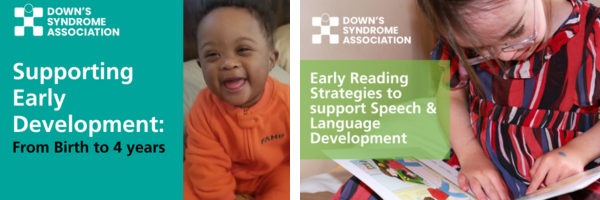
‘I am not sure who has enjoyed the Pregnancy & Baby Online Support Group more, me or Rebecca. She lights up whenever we join the call and was keen to join the conversation today. She clearly knows a good group of people when she sees one. I am so grateful to everybody involved in the support group. Not only have you provided a wealth of helpful information and resources, but also reassurance, kindness and access to a new community. It has been a difficult eight months, and these calls have made an enormous difference to our family. You’ve helped empower me to look after and out for Rebecca, and that is something I will always be grateful for.’
‘I am so grateful that the DSA offers this Early Communication and Development Group. It has been amazing to have constant support and guidance. Thanks so much for walking me throughout the first two years of my little one and making me feel I was never alone on the journey.’
DSMIG has published best practice guidelines for the neonatal care of infants with Down syndrome.
There are various supportive breastfeeding resources available to new parents including an online learning module from the Royal College of Midwives on breastfeeding a baby with Down syndrome (sign in required).
Universal Support for Families
The Down’s Syndrome Association offers a free helpline, open to anyone seeking guidance on any aspect of life with Down’s syndrome.
The service provides tailored support across the lifespan, from prenatal diagnosis and early years to adulthood and ageing. Accessible by phone, email, or video call, each enquiry is met with personalised advice, reassurance, or practical follow-up.
Telephone 0333 1212 300 (10am-4pm Monday to Friday)
Email info@downs-syndrome.org.uk.
The Barnet Unified Document for Down Syndrome (BUDDS) integrated care pathway for children and young people with Down syndrome was developed in partnership with parents, carers, health professionals and those living with Down syndrome.
The pathway supports children and young people with Down syndrome to navigate the services available in health, care and education. This covers pathways from neonatal, early years and school age through to adulthood.
Case Study: support for parent carers of people who have complex needs
The Down’s Syndrome Association offers monthly support meetings for parents/family carers of someone who has Down’s syndrome and complex health needs, such as an additional diagnosis of autism, ADHD and/or complex multiple health needs.
‘I really enjoy the monthly meetings and find them a huge support and very uplifting! It’s great to meet and chat with parents in a similar situation, we learn from each other’s experiences… I always leave the meetings feeling a little lighter, happier, less worried and always better informed.’ – Complex needs support meetings feedback

Regression in people who have Down’s syndrome
The Down’s Syndrome Association provides resources and parental support in relation to people who have Down’s syndrome who are experiencing a regression in their abilities.
This includes a factsheet about regression as well as several parental stories.
The DSA runs a free online support group for parents of those who have experienced a rapid regression in the last few years and can offer advice and support via their free helpline.

General practice and annual health checks
The Down’s Syndrome Association has developed a helpful factsheet about Annual Health Checks and a Checklist for GPs, as well as an Easy Read document for people who have Down’s syndrome to help them understand what to expect during an annual health check.
The Down’s Syndrome Association provides information on topics relating to general health that will be useful for GPs when supporting the healthcare of individuals who have Down’s syndrome, including:
- preventing infection in children
- tips for triaging and treating children
- respiratory infections
- sepsis and Down’s syndrome
- sepsis in adults who have Down’s syndrome
- immunisation
- pain.
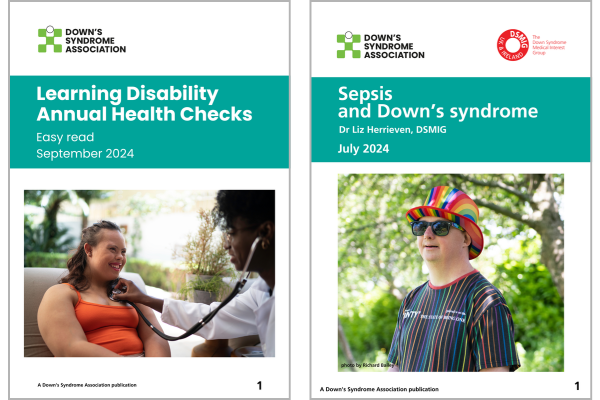
Below is an example of good practice when it comes to annual health checks.
Case Study: importance of annual health checks in keeping healthy
This video about Charlotte’s annual health check and health action plan shows how effective annual health checks and action plans help people with Down’s syndrome to stay healthy.
Speech and Language
The Down’s Syndrome Association provides information about the development of speech and language in people who have Down’s syndrome, including practical tips and activities that support children and young people who have Down’s syndrome to develop their communication skills.
The DSA also has two guides on the role of Speech and Language therapists:
- For babies and pre-school children who have Down’s syndrome
- For primary school aged children who have Down’s syndrome

Identifying and responding to increased risk of dementia for people with Down syndrome
People who have Down’s syndrome will need support as their health deteriorates – for example, due to a greatly increased risk of developing dementia as they age.
The Down’s Syndrome Association has published an award-winning Dementia Workbook, designed to support increased understanding of best practice on how to keep people healthy and manage the onset of dementia. This is available to download free of charge.
The DSA also provides a guide for families when choosing dementia specialist care and support.

Case Study: managing deterioration
Developed by organisations across the Midlands, the Learning from lives and deaths (LeDeR) Managing Deterioration Programme, ‘Good Health, Good Lives’ for people with a learning disability, which can include those with Down syndrome, is designed to help social care staff to:
- identify the signs that someone with a learning disability is deteriorating
- work with NHS staff to get the person the care they need in this situation.

Person-centred care and support plans
The Down’s Syndrome Association has published information about person centred planning for children and young people who have Down’s syndrome, including resources about:
- making decisions post-16
- making choices and developing independence
- support planning: putting the person at the centre.
The Down’s Syndrome Association has also produced an Easy Read ‘Needs Assessment Booklet’ for adults who have Down’s syndrome to tell professionals about themselves and the support they might need. They also have co-produced an Easy Read document about Adult Needs Assessments, to help adults who have Down’s syndrome understand what a needs assessment is and how to engage in the process.
Preventative care and support for adults with Down syndrome
The DSA offers tailored training for ICBs and the health workforce, for example, about health and health equality, ageing and dementia.
Support for older people with Down syndrome
The Down’s Syndrome Association can facilitate training that focuses on strategies relevant to supporting people who have Down’s syndrome who are ageing. They also offer an on-demand webinar on dementia.
The DSA also has a resource on Getting Older and one on Down’s Syndrome and Alzheimer’s Disease, as part of their Health Series.