Accessible and person-centred services for people who have Down's syndrome
Down Syndrome Act 2022 Best Practice and Resources
Last updated: January 2026
In this regularly updated resource, the Down’s Syndrome Association has selected a range of best practice examples and resources related to inclusive and accessible communication and support for person-centred services and planning.
It is intended to supplement the Down Syndrome Act statutory guidance annex once it is published by the Department of Health and Social Care (DHSC).
It also provides information about Reasonable Adjustments under the Equality Act.
These best practice examples and resources will be of use to all practitioners and professionals (relevant authorities) when supporting people who have Down’s syndrome in relation to their legislative duties as described within the Down Syndrome Act and the Down Syndrome Act Statutory Guidance.
This information will also be useful to individuals who have Down’s syndrome and families/carers. We will keep this webpage regularly updated with the very latest information, case studies and best resources related to supporting the communication and accessibility needs of people who have Down’s syndrome.
If you are aware of other best practice examples, resources or case studies please do let us know about them by emailing policy@downs-syndrome.org.uk.
Co-production with people with Down syndrome, their families and carers
If you would like to involve people who have Down’s syndrome in your own work, a useful website is the Listen Include Respect website, which includes some helpful guidelines to help organisations understand what they need to do to make sure people with learning disabilities are included in their work. They were written by Inclusion International and Down Syndrome International. Over 1,500 people with learning disabilities and their families from almost 100 countries helped write them.
The Down’s Syndrome Association provides a UK-focused Listen Include Respect training package. This program is co-produced with individuals who have Down’s syndrome and delivered by trainers who also have Down’s syndrome. The training covers practical advice on creating accessible information, offering effective support, and ensuring that meetings are inclusive.
The DSA also works with a group of self-advocates in the Our Voice group.
Information about inclusive participation, including how we work with Our Voice members, is on our website. We have also produced a top tips video to support individual self-advocacy (see below).
Effective communication and sharing
The Down’s Syndrome Association has a range of information about speech, language and communication. This includes information about the development of speech and language in people who have Down’s syndrome, including practical tips and activities that support children and young people who have Down’s syndrome to develop their communication skills.
The DSA also has two guides on the role of Speech and Language therapists:
- For babies and pre-school children who have Down’s syndrome.
- For primary school aged children who have Down’s syndrome.
We also provide individual assessments and advice, tailored to individual needs.
Mencap has guidance on communicating with people with a learning disability, which can include people with Down syndrome, setting out good practice for communication standards, active support and co-production.
The Down Syndrome Clinical Excellence Network has produced guidance on Down syndrome-specific considerations for speech and language therapists who are working with children and adults who have Down syndrome.
Think Local Act Personal (TLAP) hosts a Language hub that includes a ‘jargon buster’ explaining health and care terms in plain English, as well as guides on communicating important topics and understanding why correct and person-centred language matters.

Reasonable adjustments for people who have Down’s syndrome
The Department for Education’s (DfE) Education Hub blog provides information for parents, pupils and education professionals about the education system, including information on reasonable adjustments and how they can help pupils with special educational needs and disabilities (SEND) at school.
The Down’s Syndrome Association have produced a factsheet about Reasonable Adjustments in Healthcare, to provide useful guidance and best practice.
We also have a resource that covers the rights of people who have Down’s syndrome under the Equality Act 2010, including requirements on schools to:
- produce an accessibility plan
- make reasonable adjustments for children and young people with Down syndrome where necessary.
Disability Rights UK describes how reasonable adjustments can be provided for students with disabilities.
NHS England has published guidance on Health and care passports for patients.
Person centred planning for people who have Down’s syndrome
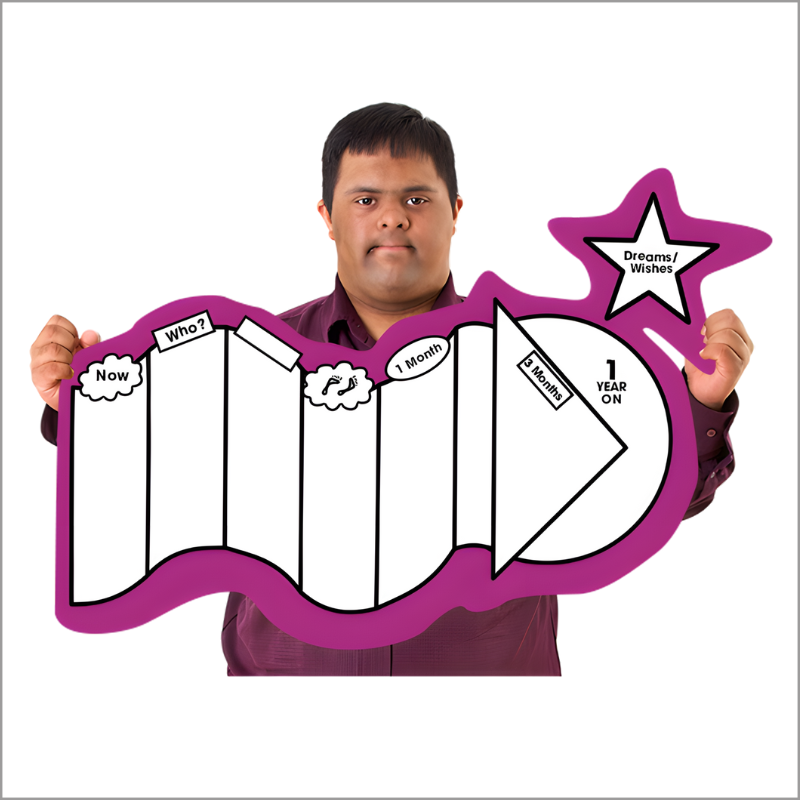
The Down’s Syndrome Association has published information about person centred planning for children and young people who have Down’s syndrome, including resources about:
- making decisions post-16
- making choices and developing independence
- support planning: putting the person at the centre
The Down’s Syndrome Association has also produced an Easy Read ‘Needs Assessment Booklet’ for adults who have Down’s syndrome to tell professionals about themselves and the support they might need. We have also co-produced an Easy Read document about Adult Needs Assessments, to help adults who have Down’s syndrome understand what a needs assessment is and how to engage in the process.
The Council for Disabled Children has information about person-centred planning.