
Supporting the employment of people who have Down’s syndrome
Down Syndrome Act 2022 Best Practice and Resources
Last updated: January 2026
In this regularly updated resource, the Down’s Syndrome Association has selected a range of best practice examples and resources related to supporting people who have Down’s syndrome into employment.
It is intended to supplement the Down Syndrome Act statutory guidance annex once it is published by the Department of Health and Social Care (DHSC).
These best practice examples and resources will be of use to inclusive employers, as well as other professionals (relevant authorities) when supporting people who have Down’s syndrome in relation to their legislative duties as described within the Down Syndrome Act and the Down Syndrome Act Statutory Guidance.
This information will also be useful to individuals who have Down’s syndrome and families/carers. We will keep this webpage regularly updated with the very latest information, case studies and best resources related to supporting the employment needs of people who have Down’s syndrome.
If you are aware of other best practice examples, resources or case studies please do let us know about them by emailing policy@downs-syndrome.org.uk.
Supported internships
A supported internship is a work-based study program for young people (typically 16-25) with an Education, Health and Care (EHC) Plan, designed to help them gain skills for sustainable, paid employment through hands-on experience in real workplaces, supported by a dedicated job coach and further study.
The National Development Team for Inclusion (NDTi) website includes Internships Work: resources for employers focused on supported internships, plus examples of stories about supported internships from young people, employers and local authorities.
Find out more on the GOV.UK website.

Employment support for people who have Down’s syndrome: WorkFit
DSA’s WorkFit scheme matches employers and jobseekers who have Down syndrome, and WorkFit officers support jobseekers and employers at all stages of the process.
At WorkFit we have a presumption of employment and we believe that anyone who has Down’s syndrome can work if they want to and they have the right level of support in a role that interests them.
WorkFit is a tailored service dedicated to training employers about how to support people who have Down’s syndrome so that they can be successfully employed in the workplace. We focus on finding suitable employment opportunities that will be meaningful and rewarding. As well as developing new opportunities, we want to progress employees in their careers by supporting them to expand their experience and learn new skills through training and opportunities for professional development.
- WorkFit Information Leaflet for Candidates
- WorkFit Easy Read
- Employer overview

You can read several WorkFit case studies online.
People who have Down’s syndrome often face barriers and prejudice, lack of opportunities, low expectations, stereotyping and other negative attitudes. A positive action: lawful steps that employers can take to support individuals with a disability help sheet supports employers in their recruitment process, including of workers with Down syndrome and other disabilities.
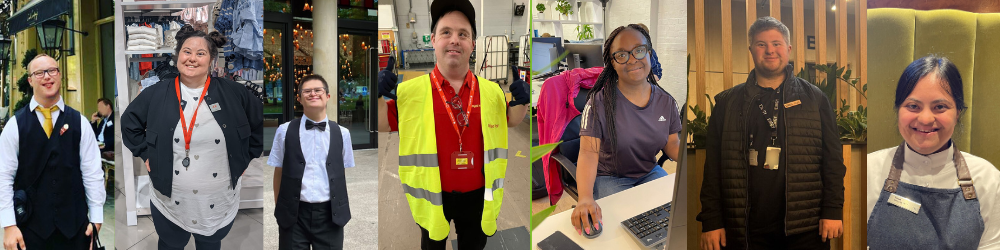
The DSA provides bespoke employment training – we will provide a structured and cohesive training session tailored to meet an employer’s requirements. The training will cover cover:
- Down’s syndrome as a condition
- How to support your colleagues who have Down’s syndrome
- Effective communication
- Reasonable adjustments
- Your WorkFit Officer can advise on how to effective manage your new employee
- Ongoing support for as long as your employee is with your organisation
- Access to over 55 years of expertise and experience of the Down’s Syndrome Association.
Email to find out more: dsworkfit@downs-syndrome.org.uk
Case Study: WorkFit supported internship
WorkFit candidate Lucy completed a supported internship in customer relations at East Riding of Yorkshire Council with support from WorkFit and East Riding College.
As Lucy was finishing college, both she and her mum thought a supported internship would be a good way to introduce her to work. Lucy’s mum contacted WorkFit, which provides a service to support all parties at each stage of the process. This support is ongoing for as long as it is needed by the candidate, their family and/or the employer.
WorkFit organised an initial meeting with Lucy, her mum and her new employer and provided bespoke training to give the council the confidence to welcome someone who has Down syndrome into their organisation. This included specific information regarding Lucy’s strengths and areas where she would require additional support.
During the internship, it became clear that Lucy was more effective during certain work hours and adjustments were made after discussions between all parties, including WorkFit, to ensure Lucy was able to thrive and grow at work.
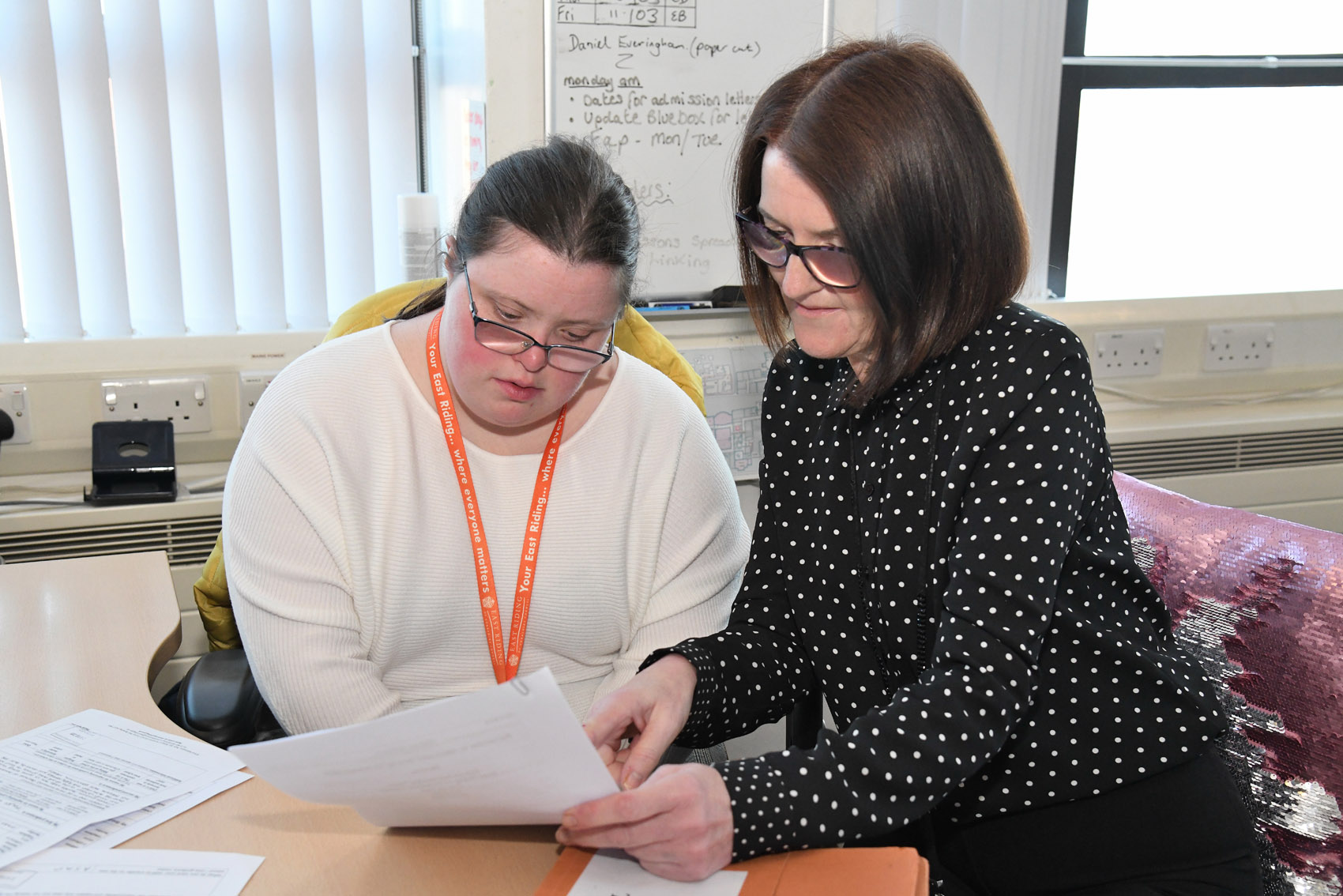
She has now been employed at the council in a permanent, part-time role as a support assistant. The internship has brought huge benefits to Lucy whose self-esteem and confidence have grown, as well as for her employer who believes she has had a positive impact in the team.
Employment as a goal of social care
NDTi has also created Preparing for adulthood: employment resources, aimed at local authorities and other providers, on supporting young people with SEND, including those who have Down’s syndrome, into employment.