
You may have read our recent blog about our attendance at The Royal College of Midwives Research Prioritisation Workshop held at Birmingham University. At that time, details of the Top 10 topics were embargoed, but we are now pleased that the RCM’s research priorities have been revealed.
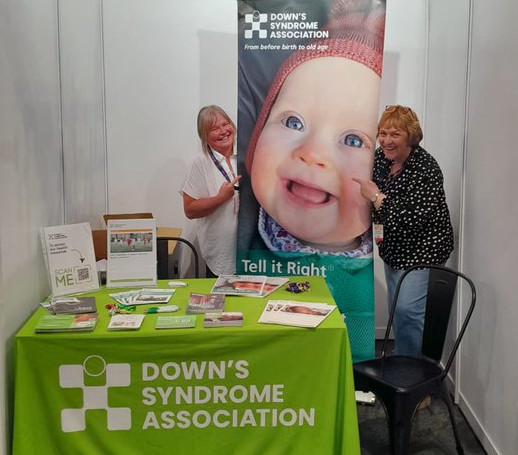
The outcome of this 18-month project, within which the DSA has been a partner organisation, was announced at the Royal College of Midwives AGM and conference, where the DSA had a stand promoting our Tell it Right training for midwives and our range of resources for new and prospective parents.
The priorities cover a broad range of areas, from induction of labour to the impact of psychological trauma.
The collaborative project brought together stakeholders – including midwives, maternity support workers, students, service users and partner organisations – to reach a consensus on the most pressing research needs facing the profession. The project was delivered using a Delphi-style approach, designed to gain a consensus through two surveys and the in-person workshop. A list of 26 research topics were initially presented and these were refined into a Top 10.
We were especially pleased to see these topics included:
- What are the important components of personalised maternity care to ensure informed choice and decision making and how should this care be provided?
- How can postnatal care be prioritised and improved so that mothers and birthing parents and their babies receive high quality care that meets their individual needs?
- How can midwifery continue to be an attractive career for potential applicants? How can midwifery students and qualified midwives be helped to stay in the profession in a way that provides a positive work environment and supports the provision of safe and compassionate care?
You can see the full list here.