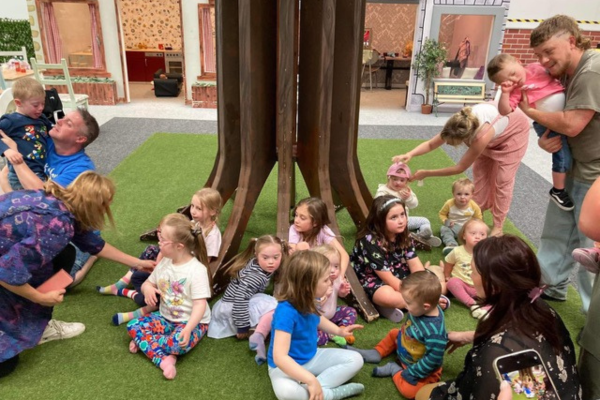
21 Plus, a member of our affiliated groups network, is a registered charity in South East Wales that supports children and young people who have Down’s syndrome, and their families.
Here we’re profiling what the charity has to offer and highlighting some of their recent achievements.
Q1. What does an average week look like in the life of 21 Plus?
Sometimes it feels like there is no such thing as an average week for us as there is usually a lot going on!
On Tuesdays and Wednesdays, we run our Symbol UK co-worker groups, Talk Time, which have been running for over 12 years now. These communication groups are for little ones from around 6 months all the way up to the end of Year 6; and this year we are trialling a project for the first term of Year 7 too.
Our younger children attend face-to-face weekly sessions with a parent or carer and once they start school, with a teaching assistant (while the parents go for coffee and cake together).
From Year 4 children join online groups for their session, from school, with a teaching assistant.
Mondays and Thursdays are dedicated to our School Support Service with our advisors going into pre-school, primary and secondary settings to observe children, give advice, attend annual reviews and help with target setting among other things.
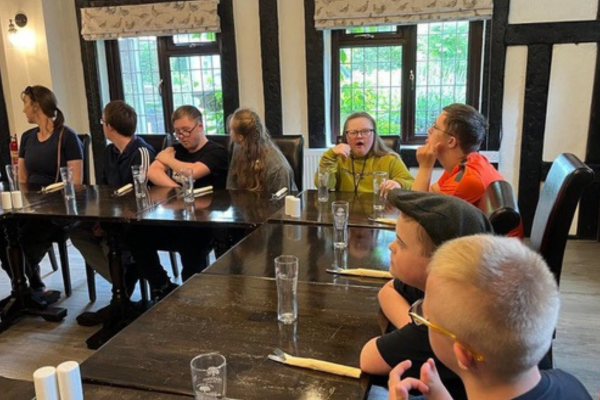
On two Friday evenings each month we have TalkAbout, which is our youth group for secondary age young people. These sessions allow our teenagers to get together and build friendships whilst practicing some communication skills and thinking about issues which are important to them; we also have a very popular tuck-shop!
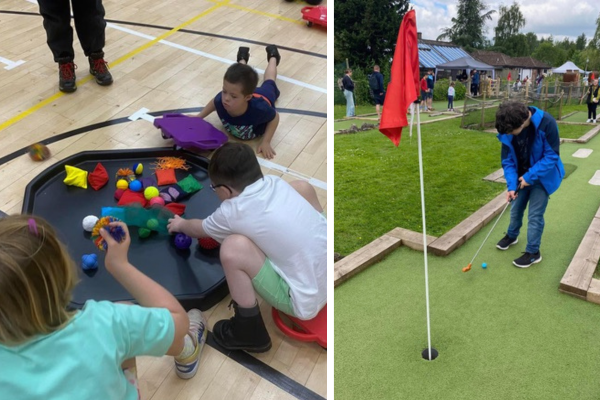
During holidays and weekends there are regular activities such as swimming sessions, trips out, bar-b-ques, and fundraisers. And the TalkAbout group love a trip to bowling or mini golf!
Q2. What part of the country do you support and what is the age range of the people who have Down’s syndrome you work with?
21 Plus has just under 100 member families from around South Wales, Gloucestershire and Herefordshire but our main services are offered to families living in Monmouthshire and it’s neighbouring counties of Blaenau Gwent, Torfaen, Newport, Powys, Forest of Dean and Hereford.
Our members range from newborns to adults who are welcome to join any of the family activities; with services currently available for individuals aged 6 months to 19 years.
Q3. What has been the highlight of 2024 for 21 Plus?
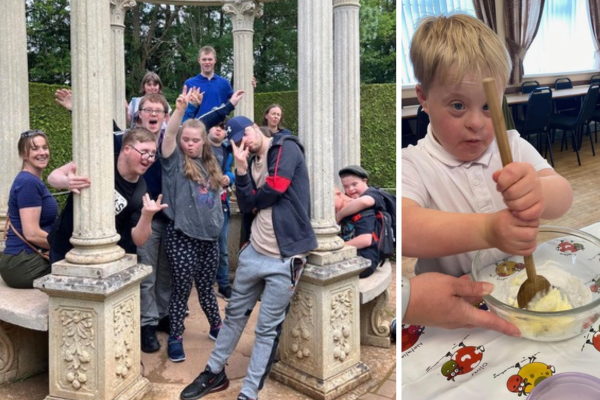
This year we held our 8th summer day camp and our 4th summer residential camp. Day camp is open to 21 of our members aged 8 to 12 years and is an intensive speech and language camp run with support from therapists at Symbol UK. Children are supported each day by volunteers recruited through Cardiff University; they participate in a variety of sporting activities, craft and Occupational Therapy activities supported by Helping Kids Shine.
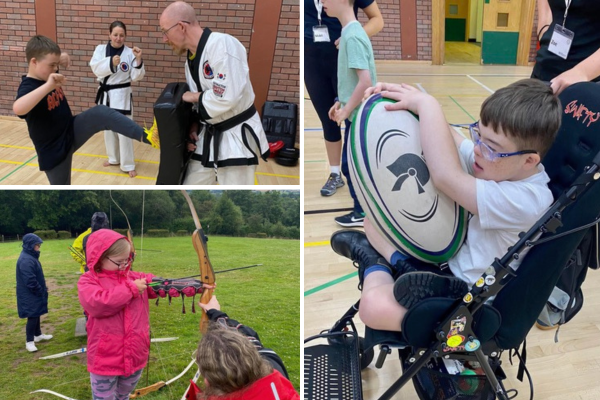
Residential camp is for 15 young people aged 13 to 24. Again, communication support is provided by Symbol UK and the young people participate in Circle Group sessions each day before heading out to tackle High ropes, crate stacking, canoeing and much more – the disco on the last night is especially popular!
Q4. What are 21 Plus’ plans for the future?
We are in the process of setting up a social group for our adult members with Down’s Syndrome and hope to get this running in the new year. This will be an opportunity to get out and about, continue to develop those friendships and have fun.
We are always thinking about new projects and how to ensure the longevity of the services we already offer. We have trained new staff to run Talk Time and TalkAbout sessions and are excited about the potential this will offer us.
Q5. How does being part of the DSA’s affiliated group network make a difference to 21 Plus?
This is a huge support to us from the boring stuff, like insurance, policies and risk assessments to the bigger picture of being part of a National organisation which adds credibility to the group whilst giving us access to a wider community of information, training and support.
Visit 21 Plus’ website – 21plus.org.uk – or email them via the contact form at the bottom of their homepage to find out more.