
Winter is a time when many people are susceptible to becoming unwell. The weather is colder and there is an increase in virus’s as well as the risk of trips and falls. Here are our top tips for keeping well in winter for people who have Down’s syndrome.
Keeping Well – things that can help
- Keeping warm
- Keeping active
- If spending time with other people ventilate the room
- When out and about, wear shoes with good grip to avoid slips and falls on slippery or icy surfaces.
Virus’s and people who have Down’s syndrome
The immune system, which is the bodies mechanism for fighting infection, works less effectively in many individuals who have Down’s syndrome. There may be lower levels of the white blood cells which fight infection, and the body may produce lower levels of antibodies against some infections. Despite this, most of the time the child who has Down’s syndrome will be able to fight infections effectively and build up immunity to infections they have been exposed to naturally and through immunisations.
At times it might be good to avoid busy crowded spaces where viruses can spread easily
Flu jab
Annual flu vaccination is recommended throughout life for people who have Down’s syndrome, from the age of 6 months. Between 6 months and 2 years of age, the injectable form of flu vaccine is recommended.

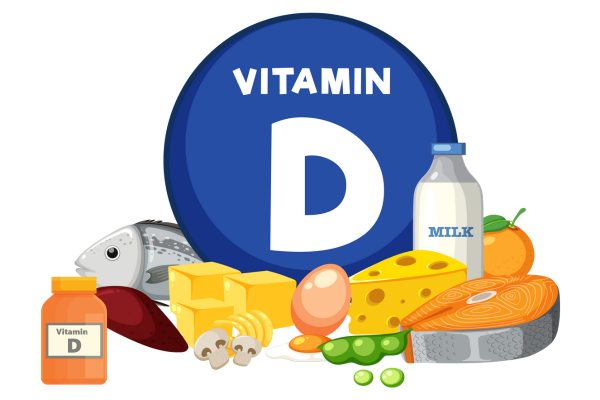
Vitamin D
Government advice is that everyone should consider taking a daily vitamin D supplement during the autumn and winter.
There have been some reports about vitamin D reducing the risk of coronavirus (COVID-19). But there is currently not enough evidence to support taking vitamin D solely to prevent or treat COVID-19.
Sleep
Most of us do not feel our best when we do not sleep well. Poor sleep prevents our bodies from functioning optimally and getting good quality sleep will help support our immune system.

Eat healthily
Eating a healthy diet is important for preventing a variety of health conditions and promoting overall health. Foods such as fruits, vegetables, nuts, fish, and whole grains, among others, contain vitamins and nutrients that are essential for maintaining good physical and mental health.

Keep active
Being physically active improves our mental and physical health. Even gentle movement will help to warm our body and ensuring we move every hour can improve our well-being.
Keep warm
Keeping warm over the winter months can help to prevent colds, flu and more serious health problems.
The recommendation is to have the home heated to a temperature of at least 18°C in the rooms that you regularly use.

Summary
Most viruses can be treated at home with rest, hydration and over the counter remedies. If you are concerned, please seek advice from a pharmacist or GP.
References
- DSA: Preventing Infection in Children factsheet
- NHS: Winter vaccinations and winter health
- GOV.UK: Keeping warm and well: staying safe in cold weather
You can download this information on keeping well in winter in a pdf factsheet here.
You’ll find more information and resources on health and well-being for children and adults who have Down’s syndrome in this section of our website.

The Down’s Syndrome Association’s free helpline provides trusted advice and support on health-related concerns across the lifespan. Where specialist medical input is required, the DSA Information Team can introduce medical professionals to medical experts from the UK & Ireland Down Syndrome Medical Interest Group (DSMIG).
Email info@downs-syndrome.org.uk or call 0333 1212 300 (Monday to Friday, 10am-4pm).