
CAMPAIGNING
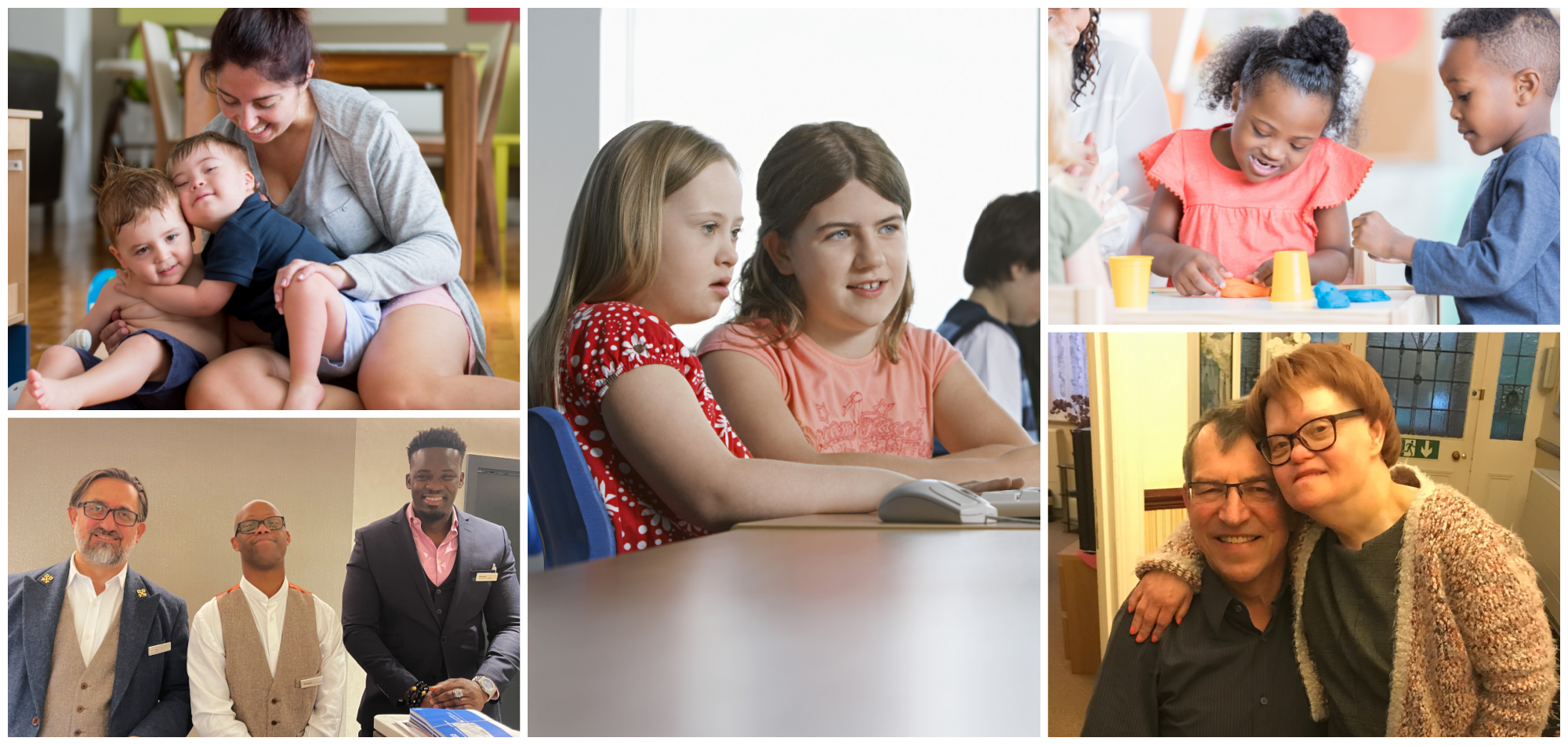
Everything we do is about supporting the rights of people who have Down’s syndrome to live full and rewarding lives. We focus on getting equal rights for people who have Down’s syndrome and on challenging discrimination. We promote the rights and welfare of people who have Down’s syndrome at all levels of society and raise awareness and understanding of the condition.
We engage with Government and local authorities in public consultations and lobby for change and inclusion. As well as running our own campaigns in response to issues raised by our members and people who have Down’s syndrome we also co-operate with sector wide partnerships. Each year on 21 March we celebrate World Down Syndrome Day alongside people from all around the world. The accompanying Down’s Syndrome Awareness Week provides a platform for campaigning and celebration.
Current Campaigns




Inclusive participation
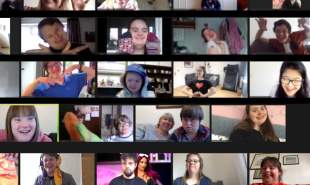
Inclusive participation is about everyone being able to take part in the work and activities of an organisation and is something that is at the heart of what the DSA seeks to do. It means everyone’s voice is listened to and that decisions are made with people rather than for them.
We include people who have Down’s syndrome in all aspects of our work and they tell us what is important to them.
DSA staff working in our Information and Training Team think carefully about how we can best include people who have Down’s syndrome of all abilities, even those people who might find expressing their ideas and opinions more difficult. We think creatively about how our activities that involve people who have Down’s syndrome can be as accessible as possible.
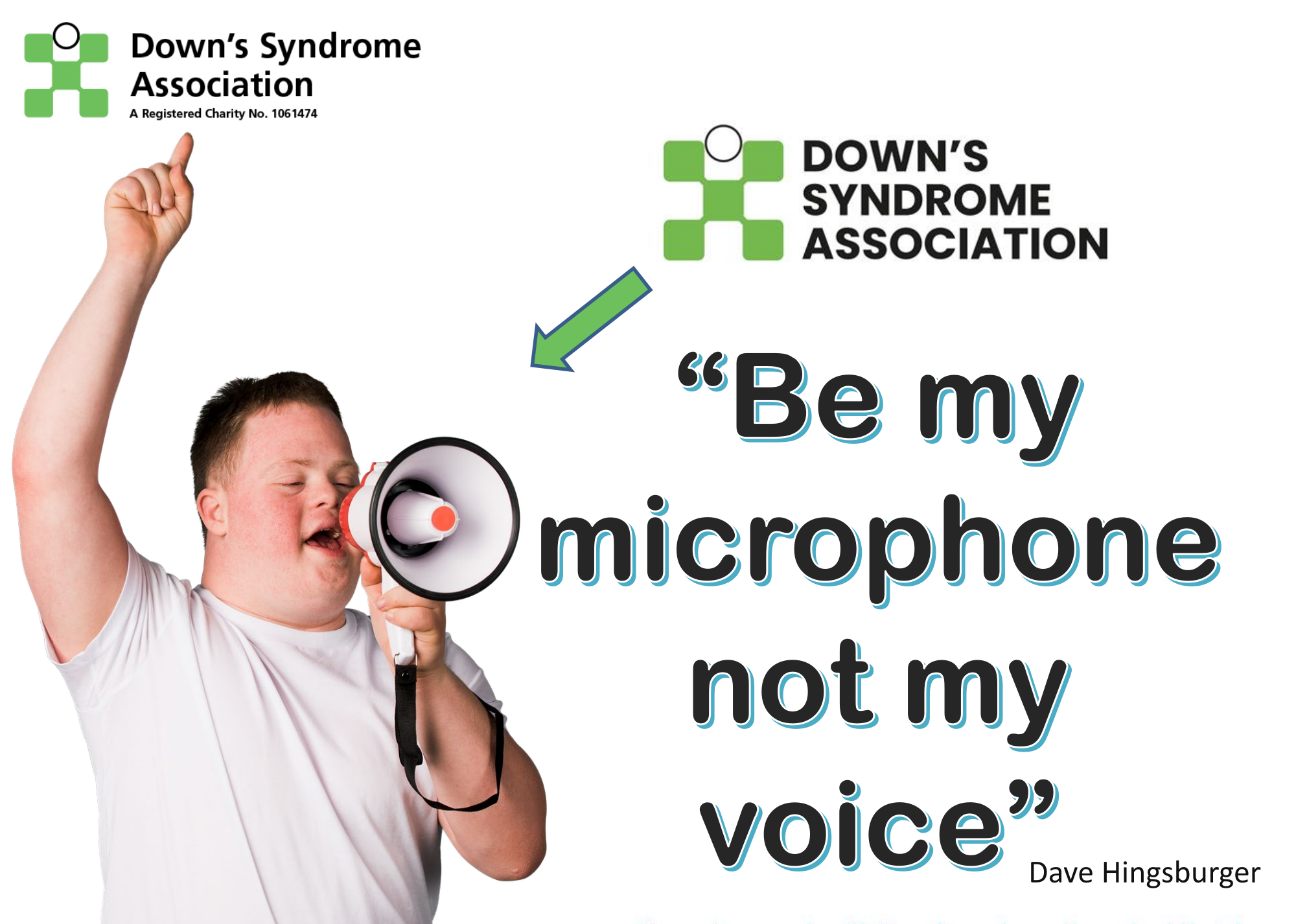
The Down’s Syndrome Association is here to amplify the voices of people who have Down’s syndrome by working together.
World Down Syndrome Day
World Down Syndrome Day (WDSD), 21 March, is a global awareness day which has been officially observed by the United Nations since 2012. Activities and events help raise awareness about what Down’s syndrome is, what it means to have Down’s syndrome, and how people who have Down’s syndrome play a vital role in our lives and communities.
Together with Down Syndrome International, we call for all people with Down syndrome to have full participation in decision making about matters relating to or affecting their lives.
Tell It Right ®
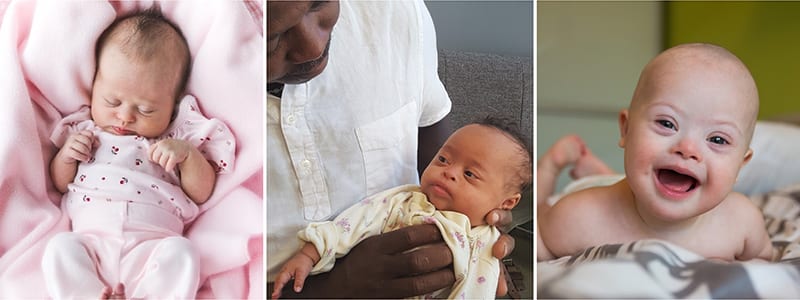
We campaign for better support for pregnant women/couples and new and prospective parents
The DSA asks:
That it is made clear during antenatal care that screening is an “offer” and is not specifically recommended by the NHS. It is entirely up to a woman/couple to decide what (if any) test they may wish to access. This decision should be respected and supported.
That women are provided with up to date and accurate information about Down’s syndrome. Information should provide a balanced outlook of what life is like today, with families and individuals who have Down’s syndrome contributing to shaping that information.
That health professionals (midwives, antenatal screening coordinators, obstetricians and sonographers) have regular training on how to best support pregnant women. This must include accurate information about Down’s syndrome. Professionals should be trained in non-directive techniques to enable women to make personal, informed, decisions about what is right for them.
For a National Care Pathway to be produced for women continuing their pregnancy knowing that their baby has Down’s syndrome (this doesn’t currently exist). We have made recommendations for this pathway to various relevant policy consultations relating to antenatal and maternity care and expect to be involved in its development.
That individuals who have Down’s syndrome and the parents of children and adults who have Down’s syndrome are involved in the delivery of training sessions for health professionals. Our Tell it Right training is an example of this.
We work to influence Government policy by responding to consultations about maternity healthcare
We work with relevant Public Health bodies in England and Wales (within certain stakeholder limits, prescribed by the NHS) on helping shape public-facing information materials for pregnant women.
We have produced film clips of individuals with Down’s syndrome and their parents talking about what life is like and share people’s stories as widely as possible.
We have worked with NHS Digital to help ensure online information more accurately reflects peoples’ lived experience and helped shape the filmed family stories about Down’s syndrome on the NHS website.
We collaborate on relevant research and disseminate findings.
We provide:
- A free, confidential helpline staffed by trained professionals.
- Balanced, up to date and accurate information about Down’s syndrome.
- High quality training to develop the skills of health care professionals who support pregnant women and new parents.
- We provide a supportive online community for new parents and for parents expecting a baby, where they have received a prenatal diagnosis, through the provision of our online Pregnancy and baby group.
Education
On 2 March 2023, the Department for Education released it’s SEND Review Improvement Plan and roadmap. You can read our initial statement here.
On 16 March we held a webinar update on the SEND Improvement Plan. You can watch a recording of the session here:
Inclusive education for all – 2022 campaign
During 2022, we are working with Down Syndrome International (DSi) and Down’s Syndrome Scotland to run a UK-wide research and advocacy project on ‘Inclusive Education’, its definition and implementation.
Our research has identified many frequently asked questions from the various stakeholders within the education hierarchy, plus areas where knowledge can be shared.
We will be sharing weekly key messages on the subject of Inclusive Education for all learners, including those who have Down’s syndrome. We will be distributing concise answers to FAQs, by professionals and people with lived experiences, including self-advocates.
We hope to use these to raise awareness and advocate for long-term system change. We realise that everyone has knowledge and experience in their context and think that sharing this is beneficial to everyone interested in providing, or receiving, a more inclusive education offer in the UK (and internationally).
World Down Syndrome Day Inclusive Education Webinar 2022
A discussion on the concept of ‘Inclusive Education’, the inclusion of children with special educational needs and disabilities, and effective practice in the classroom.
The panel included:
- Chris Barnes, Inclusive Education Officer for DSi and Teacher
- Dr Dominic Griffiths, Visiting Research Fellow at Manchester Met University
- Dr Janet Lord, Head of Education at Manchester Met University
- Paul Rose, Founder of YouTeachMe and successful former Headteacher
- Emma Pinnock, Director at Essential Education Group and SEND Consultant
- Natalie Long, Primary School Teacher
We campaign for the rights of all learners who have Down’s syndrome to inclusive and equitable quality education and lifelong learning opportunities.
We make direct approaches to Government departments and respond to Government consultations.
We include the voice of people who have Down’s syndrome.
We work with partners.
Our Services Director co-authored Down Syndrome International Education Guidelines for Learners with Down’s syndrome.

The education guidelines provide the foundation for our education campaign in line with Article 24 (Education) of the United Nations Convention on the Rights of Persons with Disabilities (UNCRPD, United Nations, 2006).
We are active members of rights based organisations including the Special Education Consortium and the Council for Disabled Children’s Special Educational Needs and Disabilities Information Organisations Group (SENDIOG).
We provide online training for parents and professionals:
- Supporting early development from birth to 4 years
- Early years and primary education
- Secondary education
- Support through puberty
- Relationships and sex education
- Supporting transitions
- Supporting positive behaviour for learners 3 – 11 years and 11 – 25 years
- Bespoke training on physical education and sports
- Bespoke training for schools, colleges and employers
We make resources
We create resources for families and teachers that cover all stages of education from early intervention and through school years to further education and employment. Our resources include activities for speech, language and communication, literacy, numeracy, emotional wellbeing, social development and behaviour, and relationships and sex education.
We offer information, support and advocacy through our helpline and online groups.
We provide specialist speech and language therapy assessments and support for person centred planning during transition to adulthood.
We collaborate on education research and disseminate findings.
Health
We campaign for better healthcare for people who have Down’s syndrome.
It has long been recognised that people who have a learning disability, including those who have Down’s syndrome, experience poorer health outcomes than are seen in the general population.
This became apparent following the UK Government Confidential Inquiry into avoidable deaths of people with a learning disability in 2013 and the establishment of the LeDeR programme which monitors the circumstances surrounding the deaths of people who have a learning disability and reports on whether a death was avoidable or premature.
Several members of DSA staff, including an adult who has Down’s syndrome who works within our Inclusive Participation project, sit on the Advisory Board of the LeDeR programme NHS England.

We closely monitor opportunities to engage with policy makers working across health services and contribute to policy consultations relating to:
- the UK Government eg. the NHS 10 Year Plan consultation in 2025
- Department for Health and Social Care eg. the Down Syndrome Act Guidance Stakeholder Group – from 2022 (ongoing)
- devolved Governments e.g. the Welsh Senedd Ministerial Advisory Group review of Learning Disability Annual Health Checks 2025
- regionalised work of Integrated Care Boards e.g. South Yorkshire ICB Down Syndrome Act Stakeholder Event in March 2025
- relevant N.I.C.E consultations e.g. Advocacy Services for Adults with Hrelevant Royal Colleges e.g. The Royal College of Midwives Research Prioritisation project 2025.
- lack of understanding among health professionals about Down’s syndrome and the more common health conditions
- diagnostic overshadowing by health professionals, where symptoms of illness are attributed to a person having Down’s syndrome and therefore not properly investigated
- communication difficulties, where people who have Down’s syndrome are less likely or able to self-report health issues
- people who have Down’s syndrome being more reliant on family/supporters to maintain good health and often requiring additional support if admitted to hospital
- understanding additional challenges in the timely recognition of pain and distress in individuals with communication difficulties and ensuring appropriate management of pain
- the importance of accessible / easier to understand information, to ensure individuals who have Down’s syndrome remain informed of issues about their health and are able to self-manage their conditions as much as is possible.
In our 2019 Health Alert Campaign the DSA asks:
That family carers are listened to and their concerns acted on.
For an end to diagnostic overshadowing and assumptions.
Health professionals should regularly reflect upon their attitudes and practice in order to guard against making errors due to diagnostic overshadowing and making assumptions about how people will cope with treatment. People who have Down’s syndrome have a right to equitable and timely healthcare.
For understanding about response to pain.
All health professionals should recognise that people may have difficulties effectively communicating their pain and its location to others. Pain may not be understood or communicated as pain but as another feeling such as discomfort or worry. Changes in behaviour may indicate that a person is in pain. Research suggests that people who have Down’s syndrome may be more sensitive to pain.
For equality, dignity and compassion.
Healthcare must be provided on an equitable basis with healthcare staff being mindful of the human rights of their patients with Down’s syndrome. Patients who have Down’s syndrome should be treated with dignity, respect, empathy and compassion.
For more knowledge around decision making.
People who have Down’s syndrome must be properly supported to make decisions about their healthcare where they can and, where they cannot, statutory guidance must be strictly adhered to. We know that professionals’ understanding of statutory guidance around decision making and mental capacity is variable.
For reasonable adjustments.
Health professionals have a duty to make reasonable adjustments for people who have Down’s syndrome to ensure they have the same access to health care as everyone else. Reasonable adjustments may include, for example, longer appointments, easy read information, to be accompanied in hospital and support around consenting to treatment.
Read about examples of reasonable adjustments here.
For clear communication.
Communication in a healthcare setting is an important part of patient safety and quality of care. Communication failure is a common experience, be that communication between healthcare professionals, communication with families/supporters and/or communication with patients who have Down’s syndrome.
In 2019 we responded to the Department of Health and Social Care consultation on learning disability and autism training for health and care staff.
In our consultation response, we said that the proposal to introduce mandatory learning disability training for health and social care staff is a welcome development, but is only one, small, part of the action required to address the unacceptable health inequalities experienced by people with a learning disability.
Other actions also required include:
- increasing the powers of LeDeR (Learning from lives and deaths) so that their recommendations can be enforced by law
- strengthening pre-qualification learning disability training for relevant health and social care professionals
- where failings in the quality of care are found, especially in the case of avoidable deaths, criminal proceedings should result in the prosecution of the individuals and agencies involved. This must include charges of manslaughter on an individual or corporate basis, where the failings are serious enough to meet the criteria to bring this level of prosecution.
Down’s Syndrome Medical Interest Group of UK and Ireland
We work with health experts who specialise in treating people who have Down’s syndrome and we collaborate on health research and dissemination We belong to the Down Syndrome Medical Interest Group UK & Ireland steering group and offer specialist health care information and advice through our helpline.
Research to better understand the health needs of people who have Down’s syndrome
We collaborate with many health experts and research groups internationally through our networks, with more than 20 active research projects currently taking place.
Training
We provide online training for parents, health and care staff.
Our Supporting Adults training provides information about health and health care needs. We provide bespoke online training for health care professionals, and online training for families and professionals supporting people who have dementia.
Over the last three years we have been engaging with ICBs across the country to provide specific training for their staff on:
- the health profile of people who have Down’s syndrome
- Down’s syndrome, ageing and dementia.
We promote regular screening and annual health checks.
We support healthy lifestyles and activities.

It’s My Life
We campaign for the care and support that people who have Down’s syndrome are entitled to by law.
Our It’s My Life survey and report found that care and support offered is often poor in quality and quantity and seriously lacks attention to health conditions. Support is often inadequately funded and can be cut at review with no justification. Families are expected to continue to provide care and support which many do willingly; others because they feel there is no choice.
The DSA asks:
That individuals receive an assessment and that the assessment is delivered in a timely manner in accordance with individual circumstances and needs.
That Local Authorities ensure their workforce of assessors understand Down’s syndrome and are also properly skilled in undertaking assessment.
That assessment properly consider all of an adult’s needs – in particular around work, training and ongoing education.
That Local Authorities ensure they have robust and effective processes in place to make this happen.
That carers receive the support they need to achieve a caring and work/life balance so that caring is not detrimental to their physical and mental well being.
That people receive a review of their support plan to which they are entitled.
That Local Authorities ensure that decision making around funding takes account of individual need and not just budget position.
Resilient Carers
We campaign for better services and support for parents and carers.
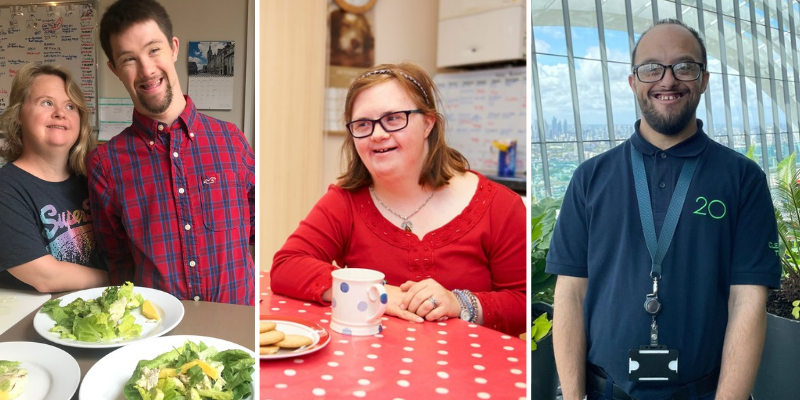
We are here for everyone who has Down’s syndrome and their families, at all stages during their lives. We ensure that the needs of all families and individuals are represented in our engagement with Government departments and in the responses we submit to policy consultations.
In recent times that this included engagement with the DHSC on compiling the guidance document to accompany the Down Syndrome Act, which is due to be released for consultation in the autumn of 2025.

We celebrate the joys of family life with families across the lifespan. We also share the times that are challenging. Families often contact us at times of transition, when the world seems uncertain. These times include processing the information that a baby has Down’s syndrome, the transition home from hospital, when exploring early years and childcare provision or preparing to start school. Some families need support when they learn that their child has additional or more complex needs. Further transitions come as young people move through school, into further education and employment and when adult children move into accommodation of their own in a supported living setting. The ways in which families interact with health, education and social services and the knowledge necessary to do so will change across these transitions.
Our range of targeted services reflect our commitment to carers and to promoting resilience
- We give Information and advice grounded in Human Rights legislation to help families secure the support they are entitled to. We offer specialist advice on, for example, additional diagnoses, health, behaviour, education, speech, language and communication, adult services, benefits and finance.
- We provide online parent carer meetings focused on the needs of parents and carers supporting people who have Down’s syndrome who have complex needs and/or autism.
- We facilitate support and discussion through our closed Facebook group for family members caring for a person who has Down’s syndrome and complex needs or autism.
- We welcome participation through our closed Facebook group for family members caring for a young person experiencing mental regression (that is not related to the cognitive or functional decline some ageing people who have Down’ syndrome experience).
- We offer a range of targeted, specialist online training workshops for parent carers and the practitioners who support them. These include our (new for 2025) DSA Futures Series of webinars about planning for the future.
We work to ensure that the ‘voices’ of all people who have Down’s syndrome are included in our campaign for resilient carers.
Financial support
The DSA campaigns on issues around financial support, in all areas of life, for people who have Down’s syndrome and their families.
We do this by responding to Government consultations on relevant financial issues and by engaging our members via social media and DSA’s website. In recent times we have helped improve the information and training materials relating to Down’s syndrome given to DWP assessors.
We are active members of The Disability Benefits Consortium (DBC).
DBC is a coalition of over 50 different organisations and charities committed to working towards a fair benefit system. Using the combined knowledge, experience and contact with individuals who have disabilities and hard-to-reach groups, they seek to ensure that Government policy reflects and meets the needs of all people who have disabilities.
Equality
Since its formation the Down’s Syndrome Association has worked tirelessly to promote equality for people who have Down’s syndrome.
All of our campaigns have at their heart the promotion of equality across different areas of daily life.
Children and adults who have Down’s syndrome must be able to enjoy full and equal rights alongside their peers. This includes the opportunity to participate fully in their communities as and when they wish.
The legislation that underpins these rights and which provides protection against disability discrimination is the Equality Act 2010. The Act also covers other forms of discrimination such as age, sex, and race.Everyone who has Down’s syndrome is protected by the Act because they have a disability.
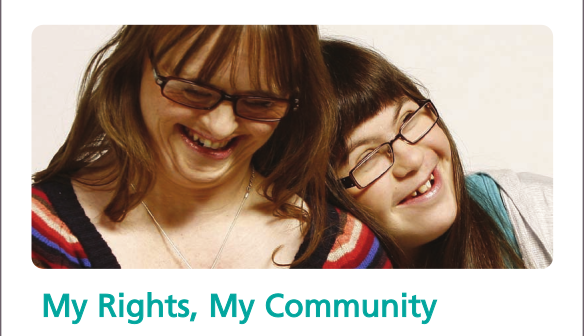
To help you understand what your rights are, we have updated our resource ‘My Rights, My Community – Being included and discrimination – your rights under the Equality Act’
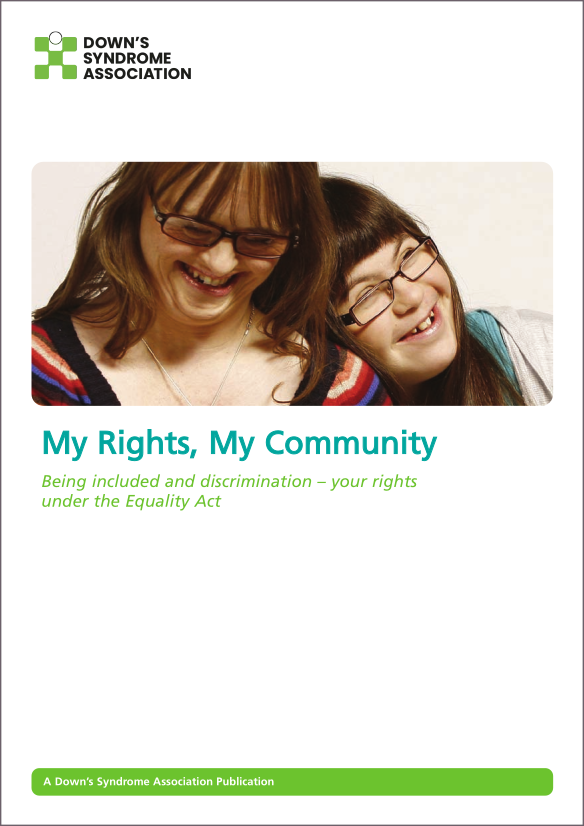
If you have any questions about the issues raised in the resource, you can call the Helpline (Tel: 0333 1212 300) or email us using info@downs-syndrome.org.uk
The DSA does not provide legal advice. We provide rights-based information and advice based on a general knowledge of particular areas of law such as education, social care and discrimination.